 Audi tenebras inter cortices
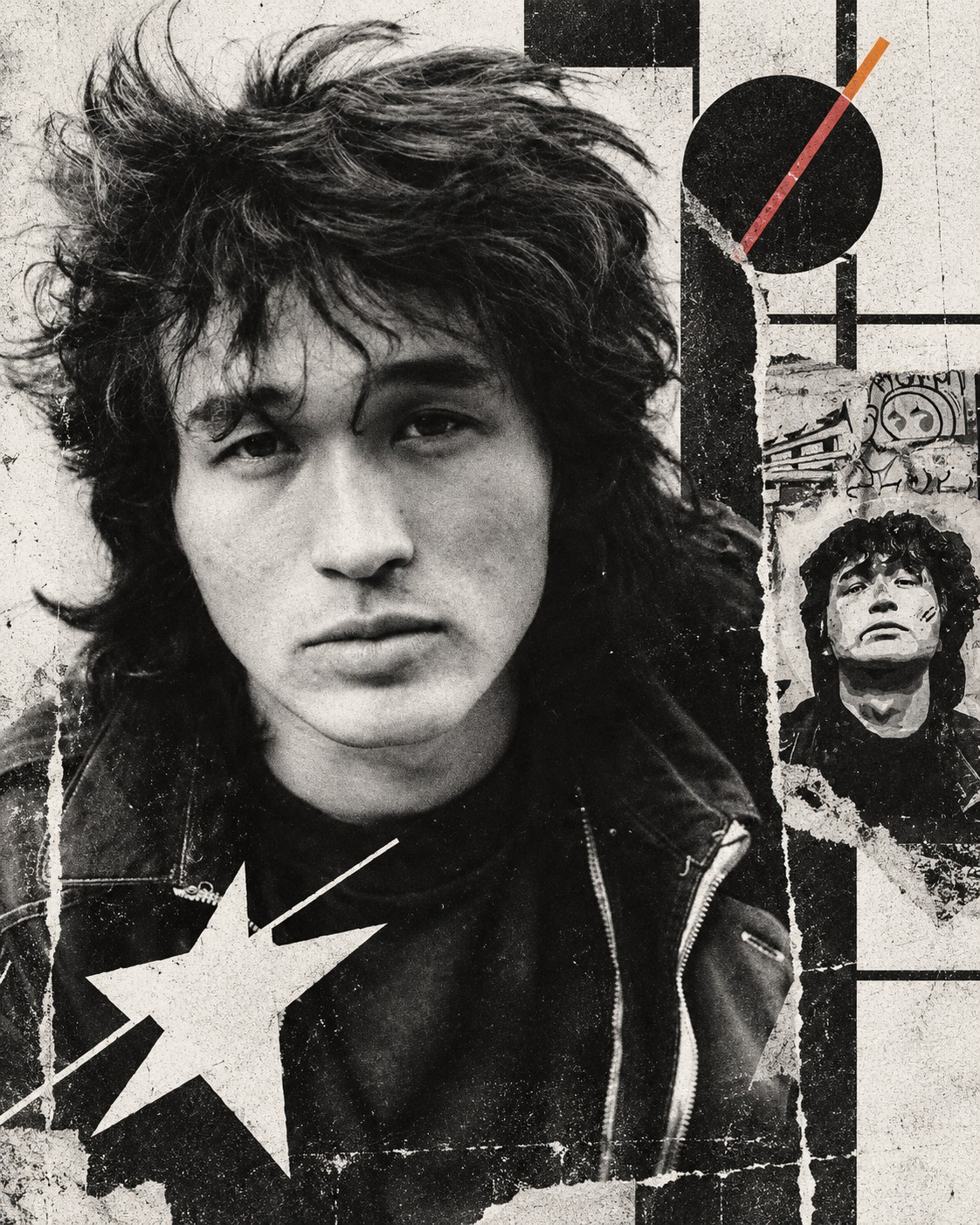

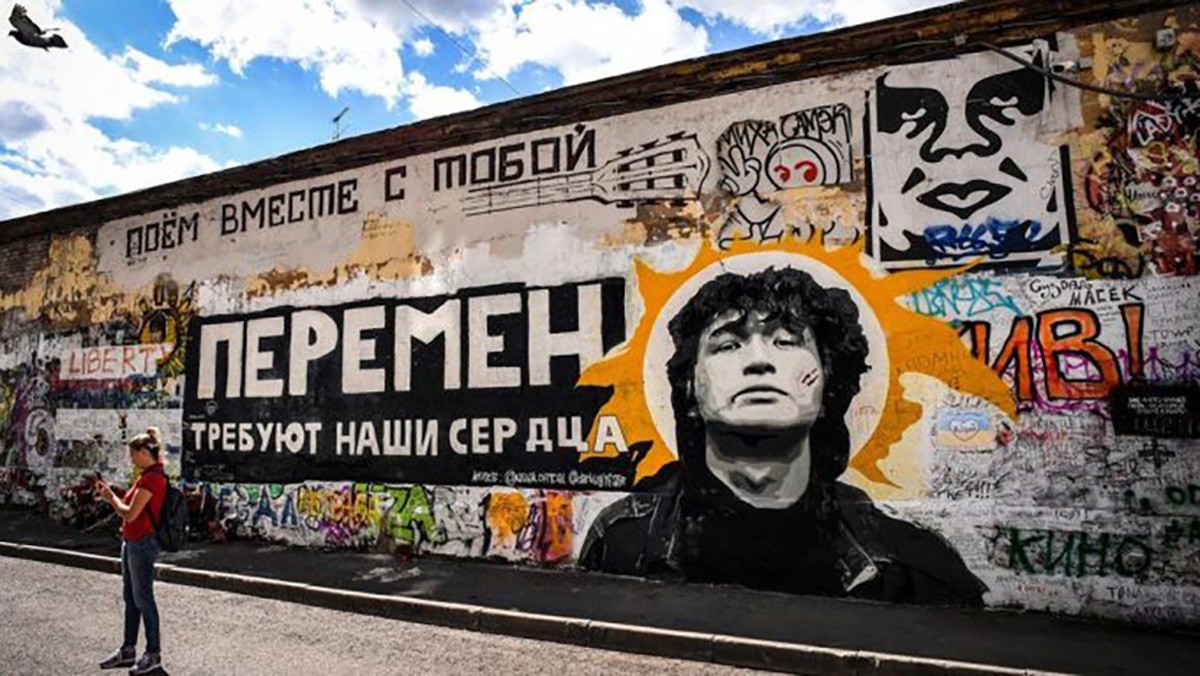
When Viktor Tsoi started work in the autumn of 1986 at the coal-fired boiler room in the basement of 15 Blokhina Street in Leningrad, Kino had a few albums and its name was barely known outside the Leningrad underground. When he left the boiler room two years later, he was one of the most listened-to rock musicians in the Soviet Union. On 24 June 1990 he played to more than sixty thousand people at Luzhniki Stadium in Moscow. Fifty-two days later he was dead. Kino's story is compressed into this short span, but the mark the band left is still being renewed on a wall in Moscow.
In telling the band's story it is easy to lean on Tsoi's charisma. The more interesting question is what kind of sound, and what kind of production, that charisma rested on. Kino grew up outside the state record label, in apartment studios and on tapes that changed hands. Its songs carried no political slogans, yet a generation learned them by heart as a description of its own life.
From apartment concerts to 45
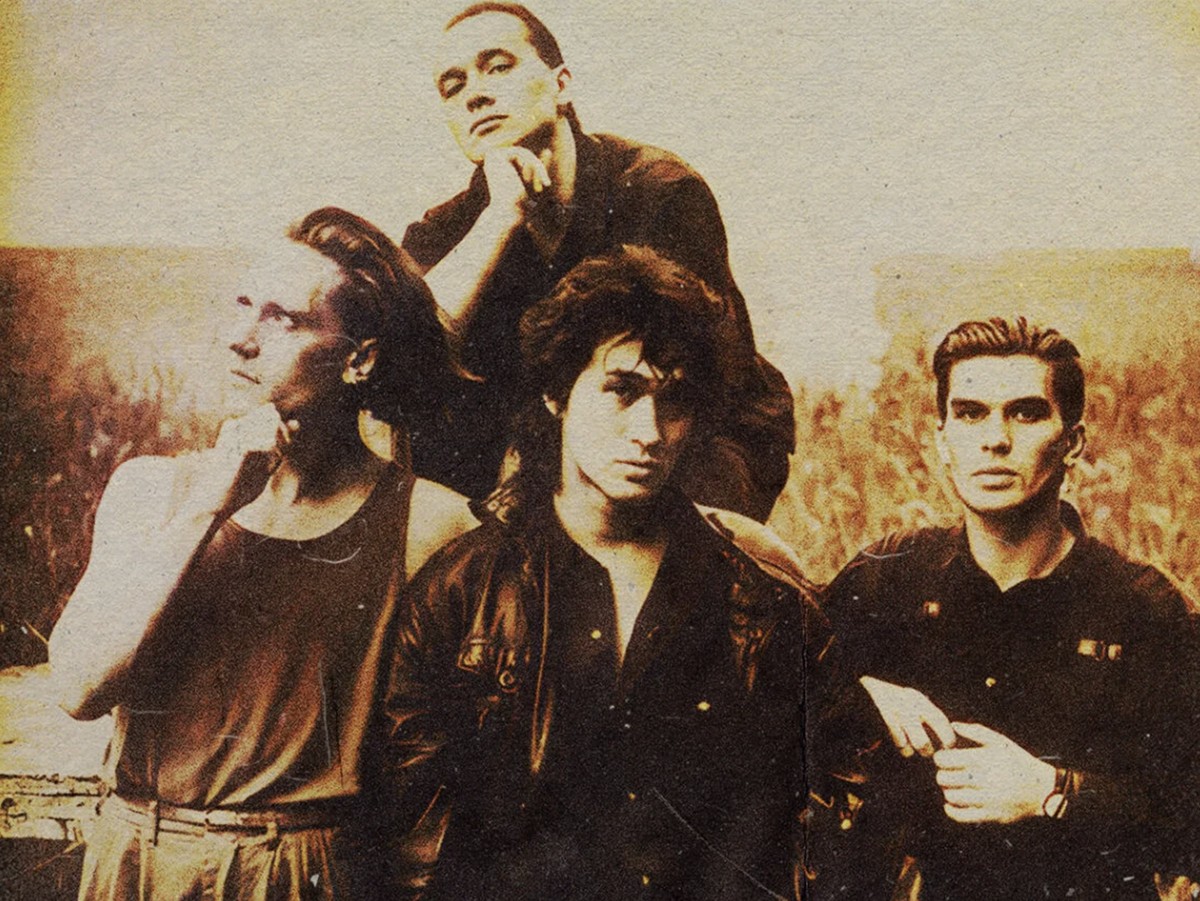
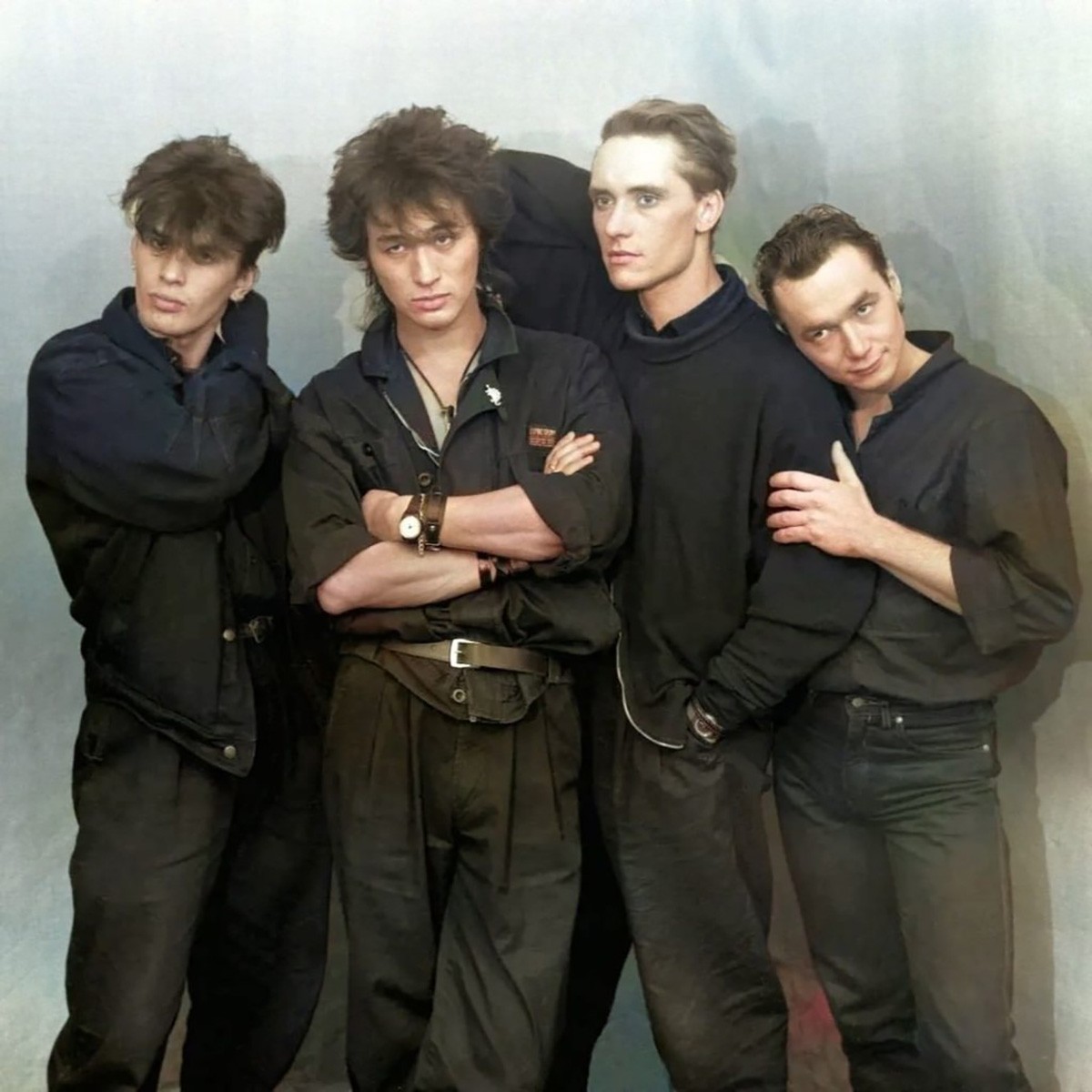
Tsoi was born in Leningrad on 21 June 1962, the son of a Russian schoolteacher mother and an engineer father of Korean descent. He was drawn to painting and began writing songs at a young age. For a while he played bass in Avtomaticheskie Udovletvoriteli, regarded as the city's first punk band; its concerts were held in private flats and its recordings amounted to nothing more than apartment tapes. In the summer of 1981 he formed Garin i Giperboloidy with guitarist Aleksey Rybin and drummer Oleg Valinskiy. The band soon took the name Kino. According to Rybin and Tsoi, the idea for the name came from a bright cinema sign.
The Leningrad Rock Club, which opened the same year, was the first venue where musicians could legally take the stage, but it was under the eye of the Komsomol and the KGB. Boris Grebenshchikov, leader of Akvarium, the city's most respected band, opened the door for Kino. Grebenshchikov liked Tsoi's songs and took on the production of the first album. 45 was recorded in 1982 at Andrei Tropillo's AnTrop studio. The band had no drummer, so they used a drum machine; Vsevolod Gakkel of Akvarium played cello and Andrei Romanov flute. The album took its name from its running time, and it passed from copy to copy outside the state label Melodiya, through the unofficial tape network known as magnitizdat. Tsoi would later say the record had come out rough and should have been done differently.
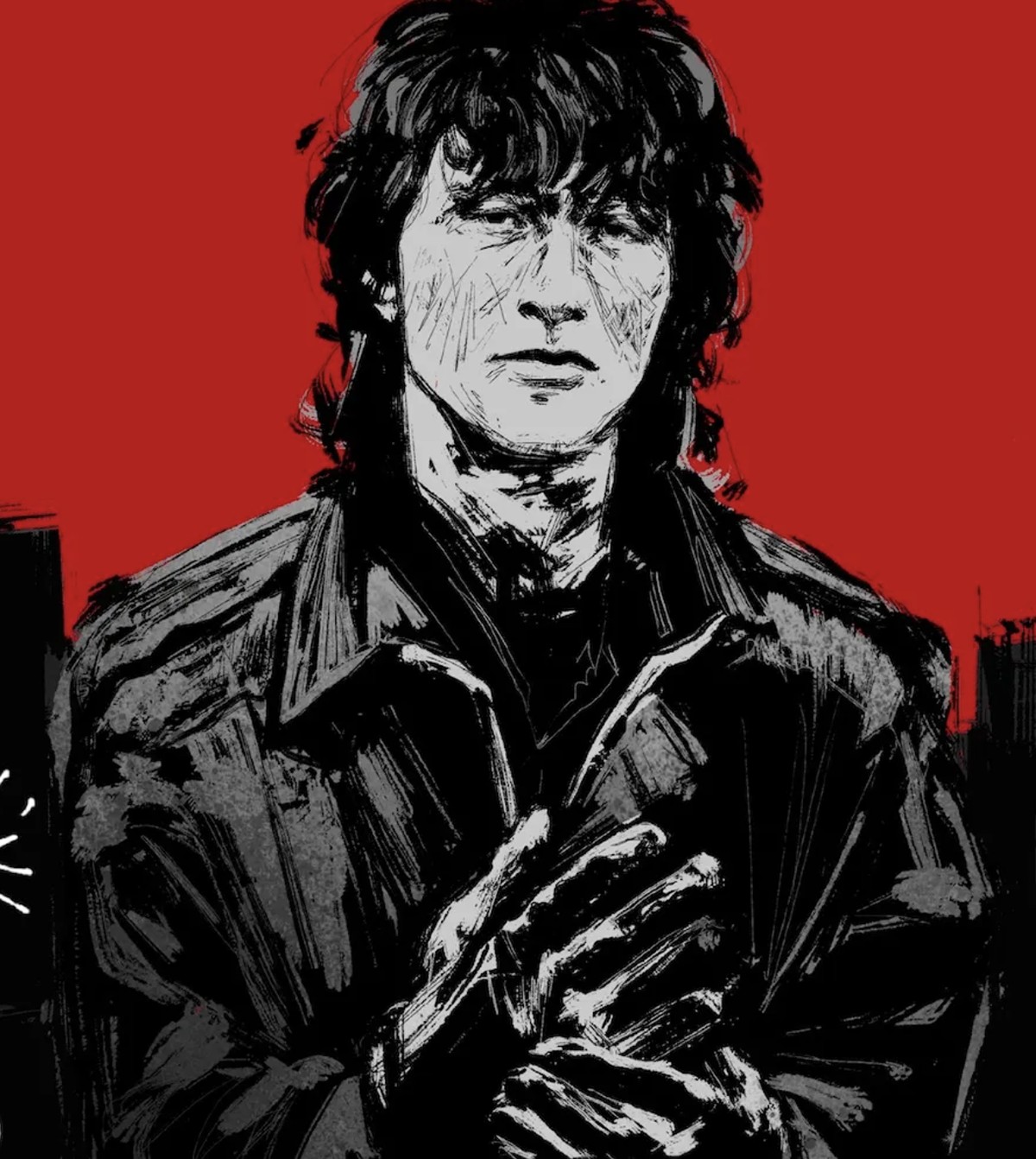
The world of 45 is built on acoustic guitars and urban folklore. The lyrics sit close to the Soviet bard tradition: an idle young man wandering the city, friends, suburban trains. Tsoi's protagonists are not the people of great victories. They wait in a room, walk the street, look for a direction of their own inside a life described for them by others. On later albums the sound would harden; this way of looking would never change.
The sound hardens
In 1983 guitarist Yuri Kasparyan joined the band, and on Nachalnik Kamchatki, released in 1984, Kino's sound changed properly for the first time. The album, produced by Tropillo and recorded with a large cast of guests from Grebenshchikov's circle, brought keyboards and Kasparyan's fuzzed guitar to the fore. The word "Kamchatka" in the title turned up in Kino's songs before the boiler room where Tsoi would work two years later; the boiler room only came to be known by that name afterwards.
The arrival of drummer Georgy Guryanov also shaped the band's look. Guryanov was a painter as well, one of the first members of the New Artists group around Timur Novikov. In 1985 he and Tsoi joined the Leningrad Rock Club's roster of artists. Timur Novikov designed stage sets for Kino's concerts, and Tsoi showed his paintings in the New Artists' exhibitions. The band's visual language cannot be separated from this circle.
In 1986 the band's story reached the West by an unexpected route. The American singer Joanna Stingray smuggled recordings by four Leningrad bands to America, and in June 1986 the Australian label Big Time Records released the double album Red Wave: 4 Underground Bands from the USSR. Kino was on it alongside Akvarium, Alisa and Strannye Igry. This was how Soviet rock first reached America, without the state knowing. Stingray married Kasparyan in 1987 and brought the band quality equipment from abroad.
The boiler room
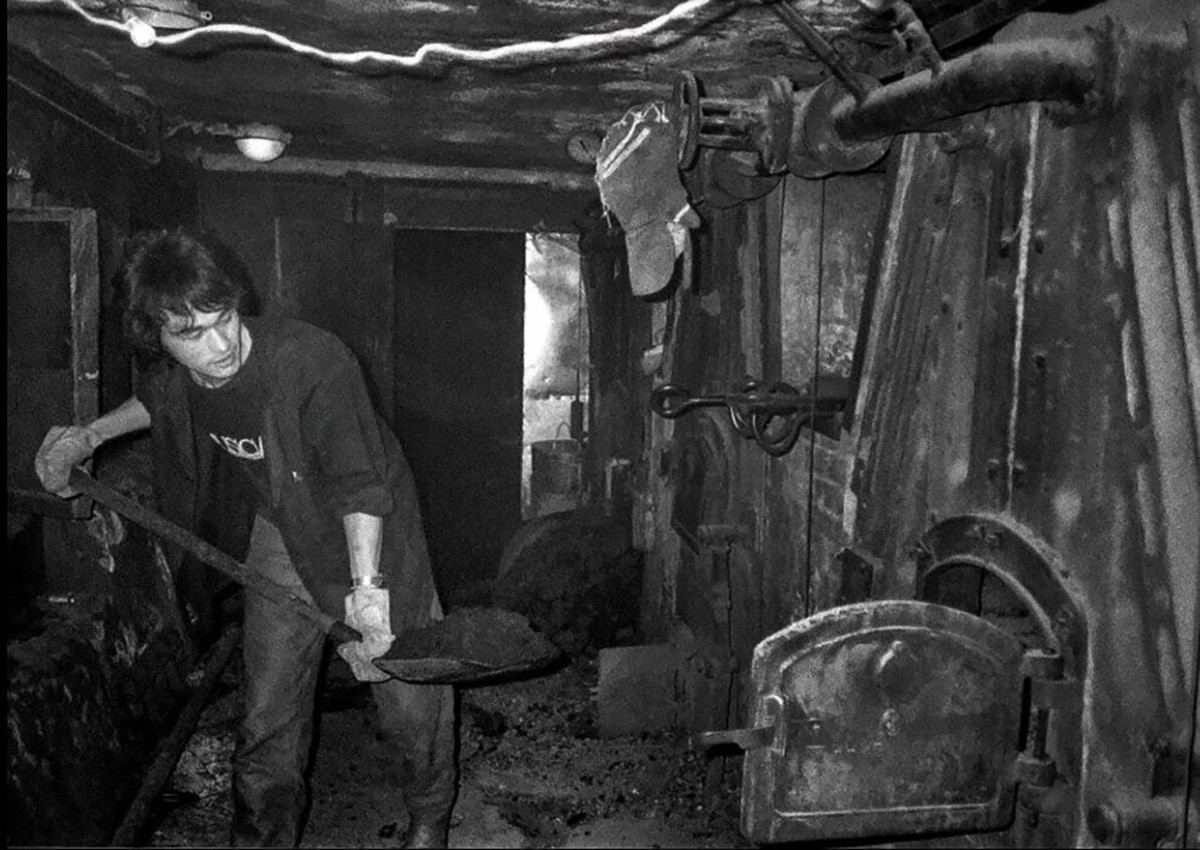
Kamchatka was a coal-fired boiler room that heated a hostel for women workers. Tsoi and Sergey Firsov started work there in the autumn of 1986 as kochegars, stokers. There was a reason for taking the job. Soviet law could prosecute people without regular employment on a charge of "parasitism", and many rock musicians needed a registered job for that reason. Shift work left plenty of free time. Before long figures such as Alexander Bashlachev and Svyatoslav Zaderiy, the founder of Alisa, worked there too, and the boiler room became a place for unofficial concerts and gatherings.
Tsoi left the job at the end of 1988, once concert income was enough and his fame had made the parasitism charge meaningless. Kamchatka matters for more than the fact that a star once carried coal. Soviet rock musicians lived two lives: stoker or watchman on the official record, musician the rest of the time. The closeness to everyday life in Kino's songs was written from inside that second life. The boiler room now runs as a museum and club in Tsoi's memory.
Gruppa Krovi
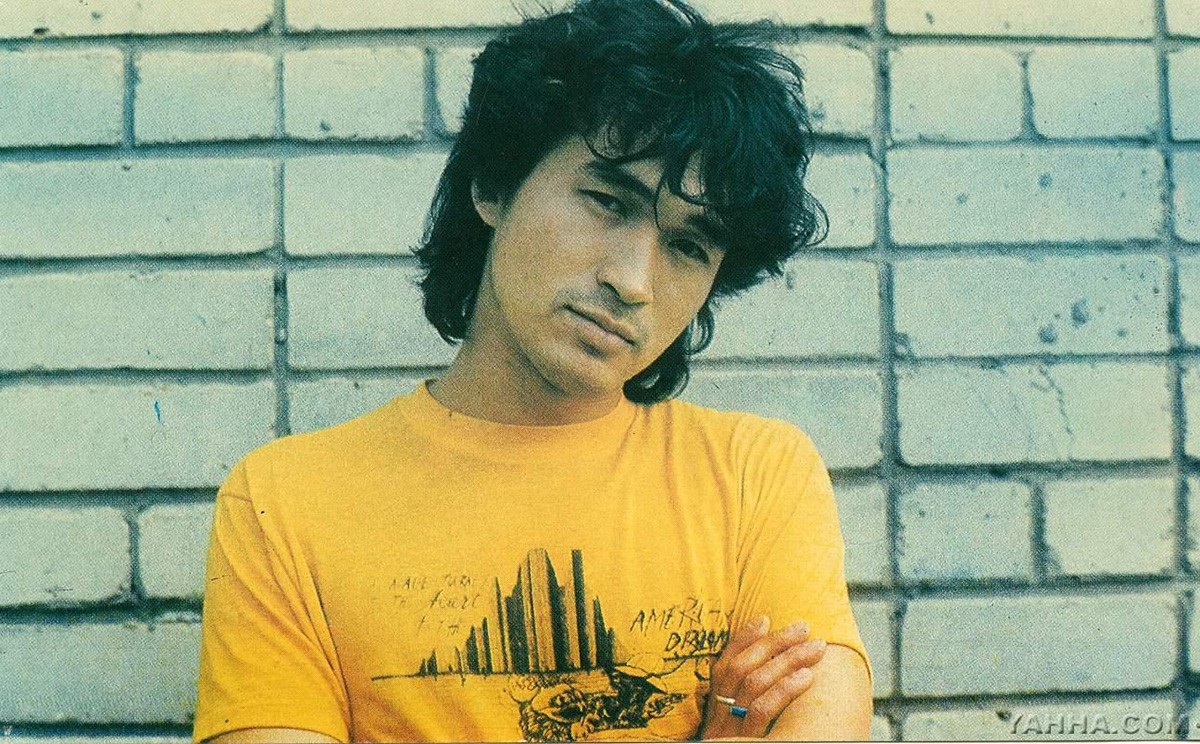
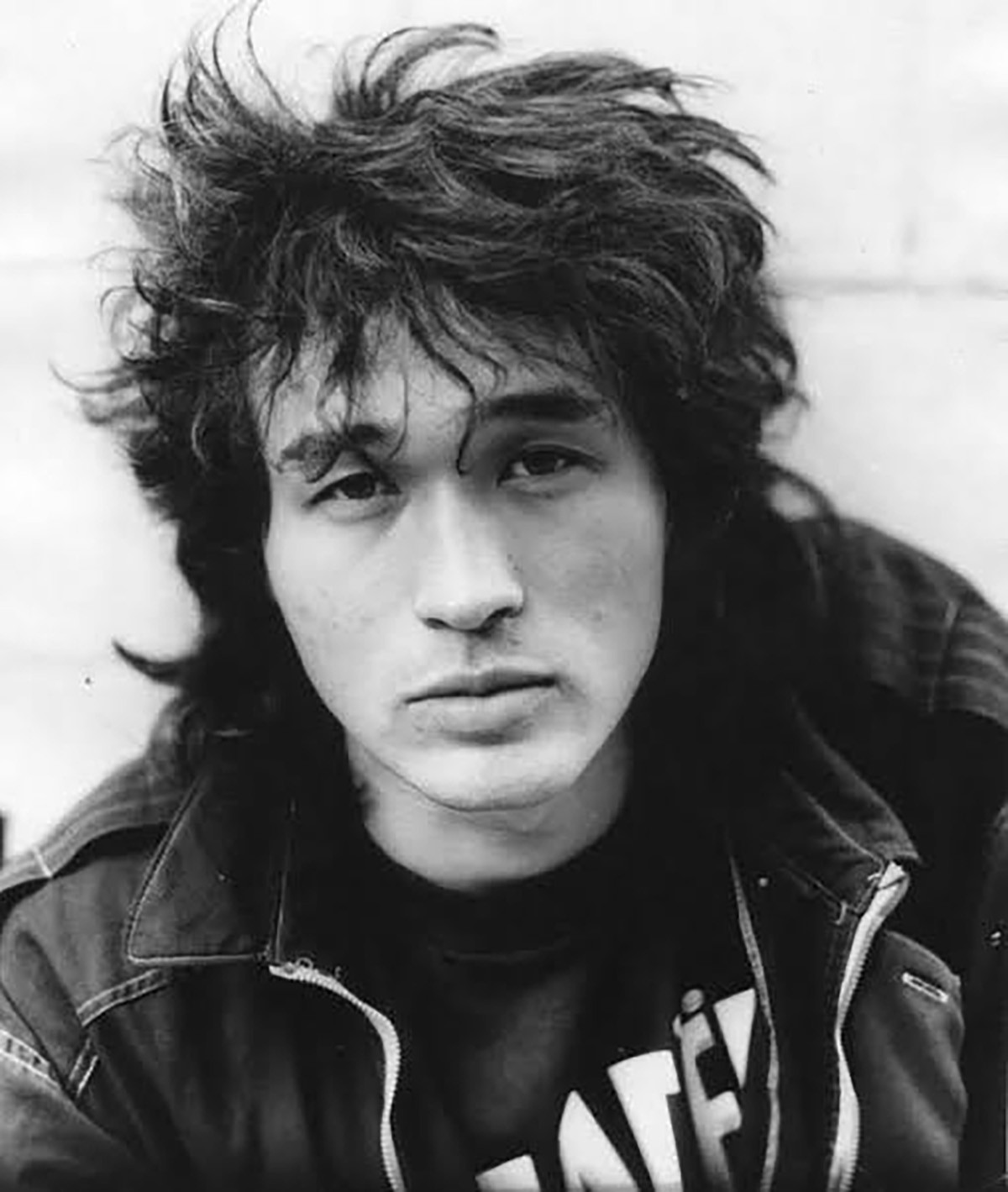
Gruppa Krovi, Kino's most listened-to album, was recorded between 1986 and 1987, largely in Guryanov's flat, and completed in Aleksey Vishnya's home studio. The equipment Stingray had brought made a difference here; this was Kino's first album that could stand up technically to European and American records. Tsoi was unhappy with the recordings and at one point wanted to destroy them. The rest of the band handed the tapes to Vishnya, who put the album into circulation through magnitizdat on 5 January 1988. In 1989 it was released in America by Capitol Records and received a favourable note from the Village Voice critic Robert Christgau.
The album's sound rests on the tension between two lines: Igor Tikhomirov's plain, stubborn bass lines pushing forward, and Kasparyan's oddly tuned, mechanical-sounding guitar. Kasparyan doesn't decorate the melody; he plays repeated figures that keep the song's unease alive. Tsoi's voice does the opposite. Low, calm, almost spoken. A vocal this far from the theatrical, grand delivery of Soviet estrada turns the songs from a message relayed by an authority into words spoken by someone in the same room.
The title, "blood type", recalls the blood group patch stitched onto the sleeves of Soviet soldiers. The war in Tsoi's songs doesn't always have a front; everyday life, obligations and obedience can also become a battlefield. The album was heard in the years when the war in Afghanistan was still going on and a generation was waiting to be called up. The people in the songs don't want to overthrow the state. They are looking for a way to have a say over their own lives.
Assa and Igla
Cinema has a place of its own in Kino's rise. In the final scene of Sergei Solovyov's 1987 film Assa, a restaurant manageress reads out, at length, the rules that the musician about to go on stage must follow. Tsoi gets up, walks, and launches into "Khochu peremen!" (I want change). When the camera turns, he is facing not a restaurant's customers but a hall filled with thousands of young people. The song had first been played in 1986; the studio version was released in 1989. The film became one of the symbols of the perestroika years and won Kino a mass audience for the first time. The period later came to be known as "Kinomaniya".
A year later Tsoi played the lead, Moro, in Rashid Nugmanov's film Igla. In Igla, one of the first films of the Kazakh New Wave, Moro is a man of few words who explains nothing, trying to rescue his former girlfriend from drug addiction. Tsoi's effect on screen comes not from classical acting but from that silence. He sees the rot around him and doesn't accept its rules, but he makes no rebel's speech either.
"Khochu peremen!" has since been used again and again as a political anthem: at the 2011 protests in Belarus, on the Maidan in Kyiv, in different and mutually opposed movements. Tsoi, though, did not see it as an openly political song. It doesn't say what should change or how; it gives voice to the feeling that the life being lived can no longer go on. That openness is why different generations and political camps can find themselves in the same song.
In a pop star's studio
Zvezda po imeni Solntse, released in 1989, was the last Kino album to come out in Tsoi's lifetime. The first draft was again recorded in the home studio in Guryanov's flat. For the final version the band's manager Yuri Belishkin hired a professional studio in Moscow belonging to Valery Leontyev, one of the brightest stars of Soviet estrada. The album was recorded there between December 1988 and January 1989. That a band standing squarely against theatrical pop singing should record its most mature album in a pop star's room shows how fast the times were changing.
At first the album was sold only on cassette and reel-to-reel tape at the band's concerts; a proper vinyl pressing came only in 1993. The sound keeps the hardness of Gruppa Krovi, but it is wider and more melancholy. The sun of the title is not a redeeming light; it is a distant, unreachable star. Tsoi's language in this period is more symbolic: night, fire, stars and roads move back and forth between the outer world and inner states. As Kino's fame grew, the songs still spoke from small rooms and night walks.
Summer will end
In the summer of 1990 Tsoi and Kasparyan went to Latvia, to the village of Plieņciems near Jūrmala, to work on the new album. The demos were made on a portable Yamaha recorder; according to Kasparyan the recording was finished on 14 August. Around noon the next day Tsoi was driving back from fishing in his dark blue Moskvich-2141 when, on the road between Sloka and Talsi near Tukums, he crossed into the oncoming lane and collided with an Ikarus bus. The investigation concluded that he had fallen asleep at the wheel. He was twenty-eight. His death also gave rise to conspiracy theories claiming the KGB had a hand in it; none of them was ever proven.
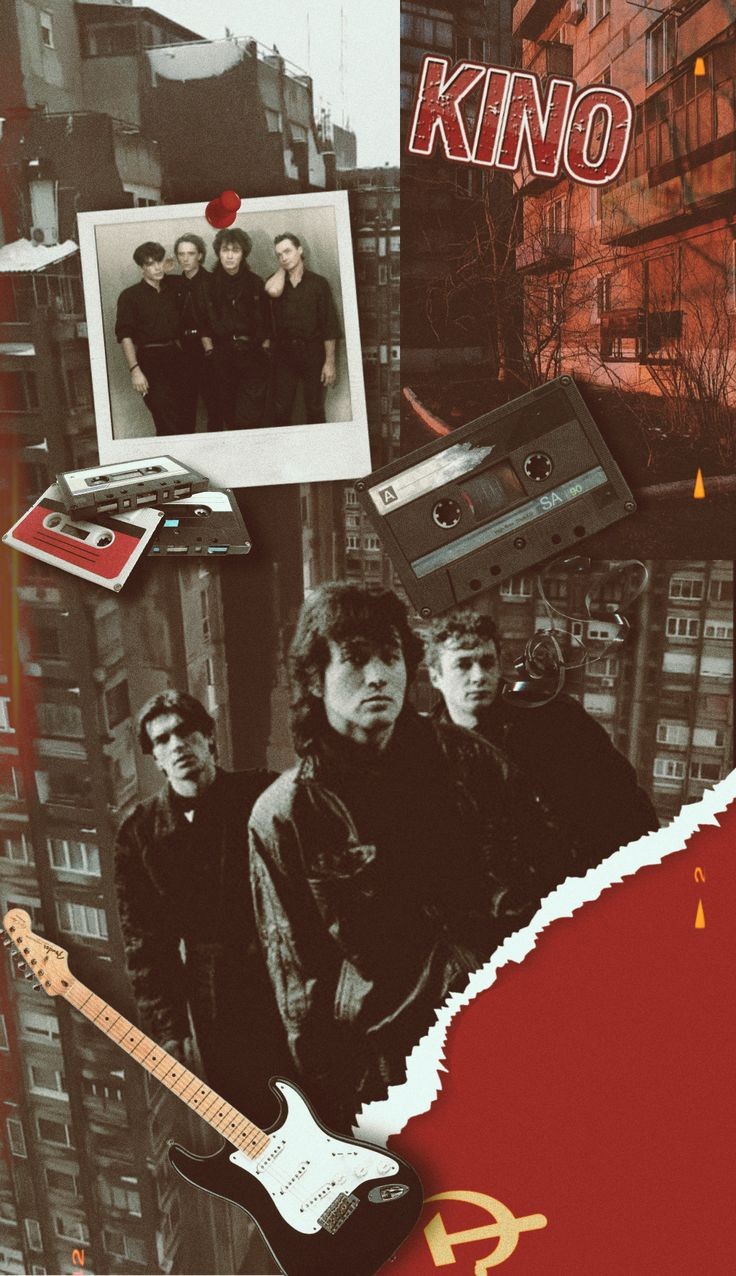
The rest of the band finished the demos. The album was released untitled between December 1990 and January 1991, and because of its all-black cover it came to be known as Chyorniy Al'bom, the Black Album. Accounts still disagree over whether the demo tape came out of the car Tsoi crashed or had been in Kasparyan's car. On the album, "Konchitsya leto" (Summer will end) was titled "Waiting for an answer" in the first list in Tsoi's notebook. Fans came to hear "Kukushka" as a farewell song the band had written without knowing it.
The wall
On 15 August 1990 a sentence appeared in black paint on a wall at the corner of Arbat Street and Krivoarbatsky Lane in Moscow: "Today Viktor Tsoi died." Soon someone added an answer beneath it: "Tsoi is alive!" Then came lyrics, portraits and poems. In 2006 the wall was painted over; fans wrote on it again. Today, at the foot of the wall, there is a small ashtray where fans leave a lit cigarette broken in two.
- Discography and credits
- Wikipedia (English and Russian): 45, 46, Nachalnik Kamchatki, Gruppa Krovi, Zvezda po imeni Solntse, Black Album, Konchitsya leto.
- AllMusic: reviews of 45 and Gruppa Krovi.
- Unearthing the Music database.
- Red Wave: Wikipedia.
- The boiler room (Kamchatka)
- Russian Wikipedia.
- Official site of Klub-muzey Kotelnaya Kamchatka.
- Gorodovoy.ru (July 2025): the link to the parasitism law.
- spb.guide.
- People
- Guryanov: Zimmerli Art Museum (Rutgers).
- Kasparyan and Stingray: Wikipedia.
- Tsoi's death
- Unearthing the Music.
- Reveal.World: details of the investigation.
- The Tsoi wall
- Wikipedia.
- The Moscow Times.
- Georgetown Digital Moscow.