 Audi tenebras inter cortices
Years later, James Kent gave Kerrang a one-sentence description of the sound he had in mind when he made Perturbator's first recordings: something like Watain trying to play Justice songs. That image, the Swedish black metal band Watain let loose on the dance floor of the French electronic duo Justice, is more useful for understanding Perturbator than the synthwave label. Perturbator is usually counted among the founders of synthwave, the movement that rebuilds the film scores and neon aesthetic of the eighties. But the project's darkness does not come from that nostalgia; it comes from the metal scene in which Kent spent his youth.
Between Slayer and Depeche Mode
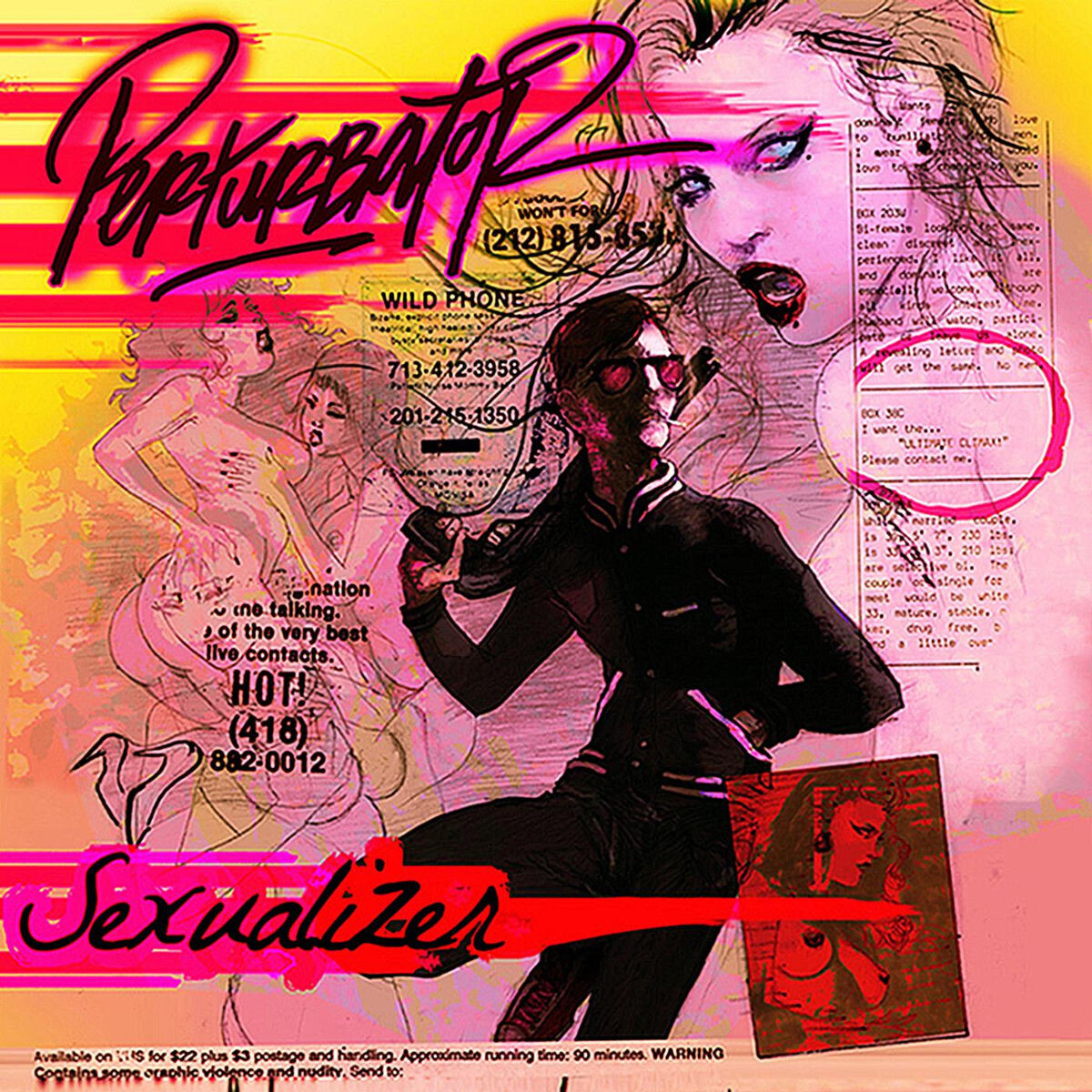
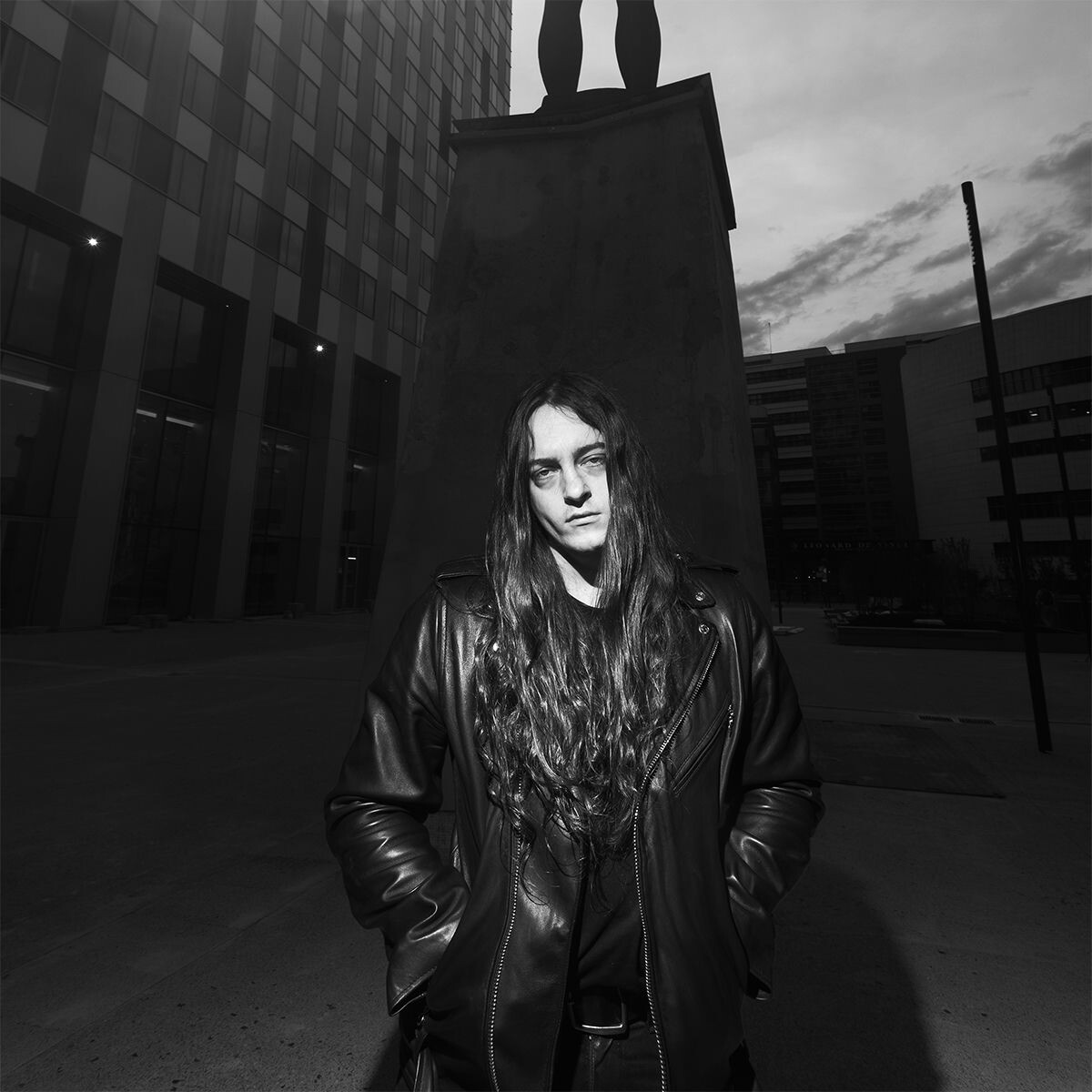
Kent was born in Paris on 22 January 1993. His father is Nick Kent, the English rock critic and one of NME's most influential writers of the seventies; his mother is the French music journalist Laurence Romance. There was always music in the house; his parents had played together in a tech trance band when they were young, and that is where Kent's interest in synthesizers began. Metal came out of his mother's pile of records. Kent recalls finding Slayer's Reign in Blood in that pile and feeling, as he listened with the lyrics in front of him, as if he were doing something very evil and satanic. Depeche Mode was in the house too; his mother played it while she exercised. As Kent sums it up, the music he grew up on came in those two halves. The third piece was cinema: the John Carpenter films he watched when he skipped school, and the scores of eighties horror films.
Before Perturbator, Kent played guitar in bands in Paris. In his own words he was a guitarist for hire: a bit of progressive metal, a bit of black metal. Metal Archives also records that he played in a few black metal bands before Perturbator. The only band Kent named in a 2014 interview is I The Omniscient, a progressive death metal band that released a single EP and split up. Working with others, as he saw it, was too restrictive; there was too much ego and too much compromise. He wanted to do something on his own, and electronic music was the easiest way to do it.
A bedroom and a video game
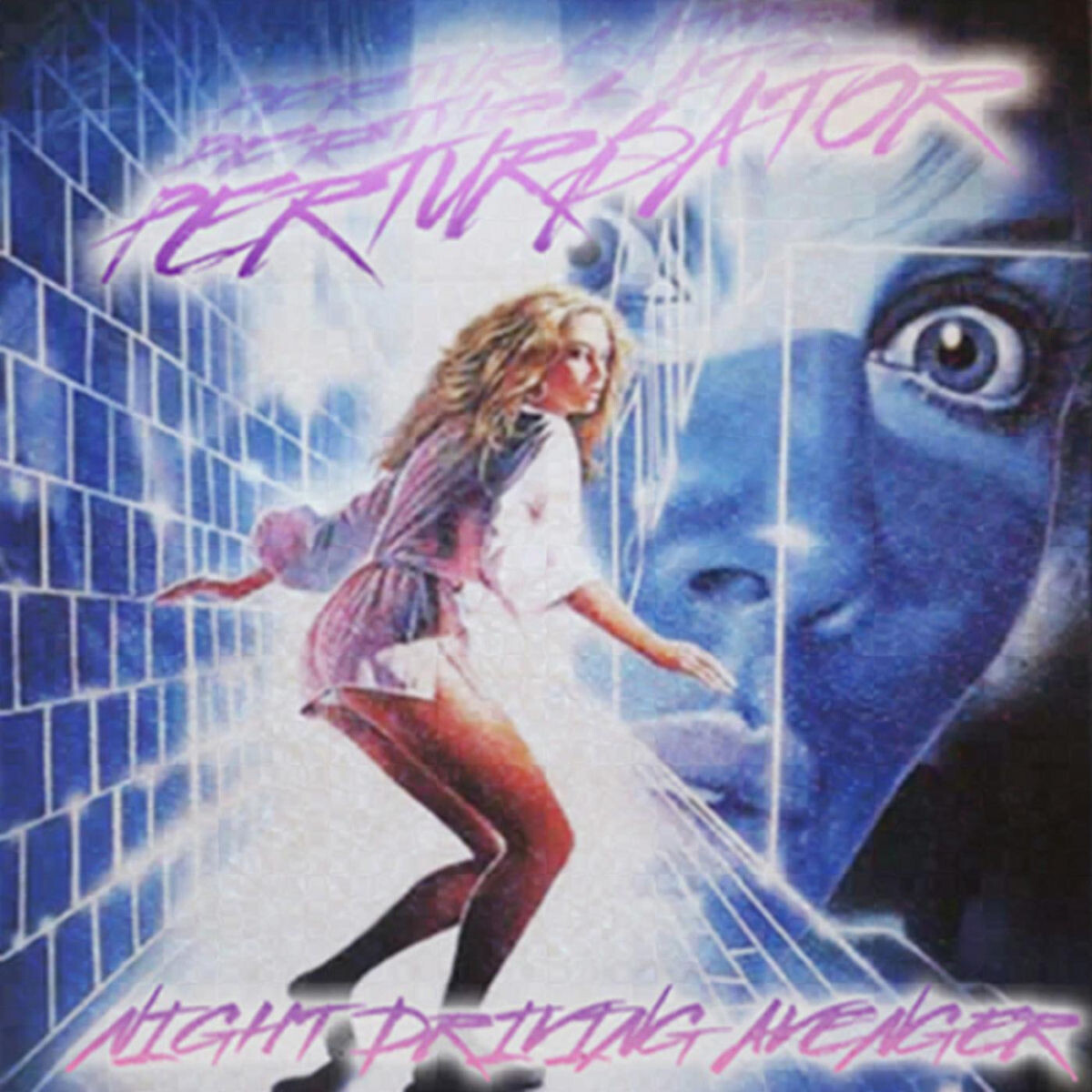
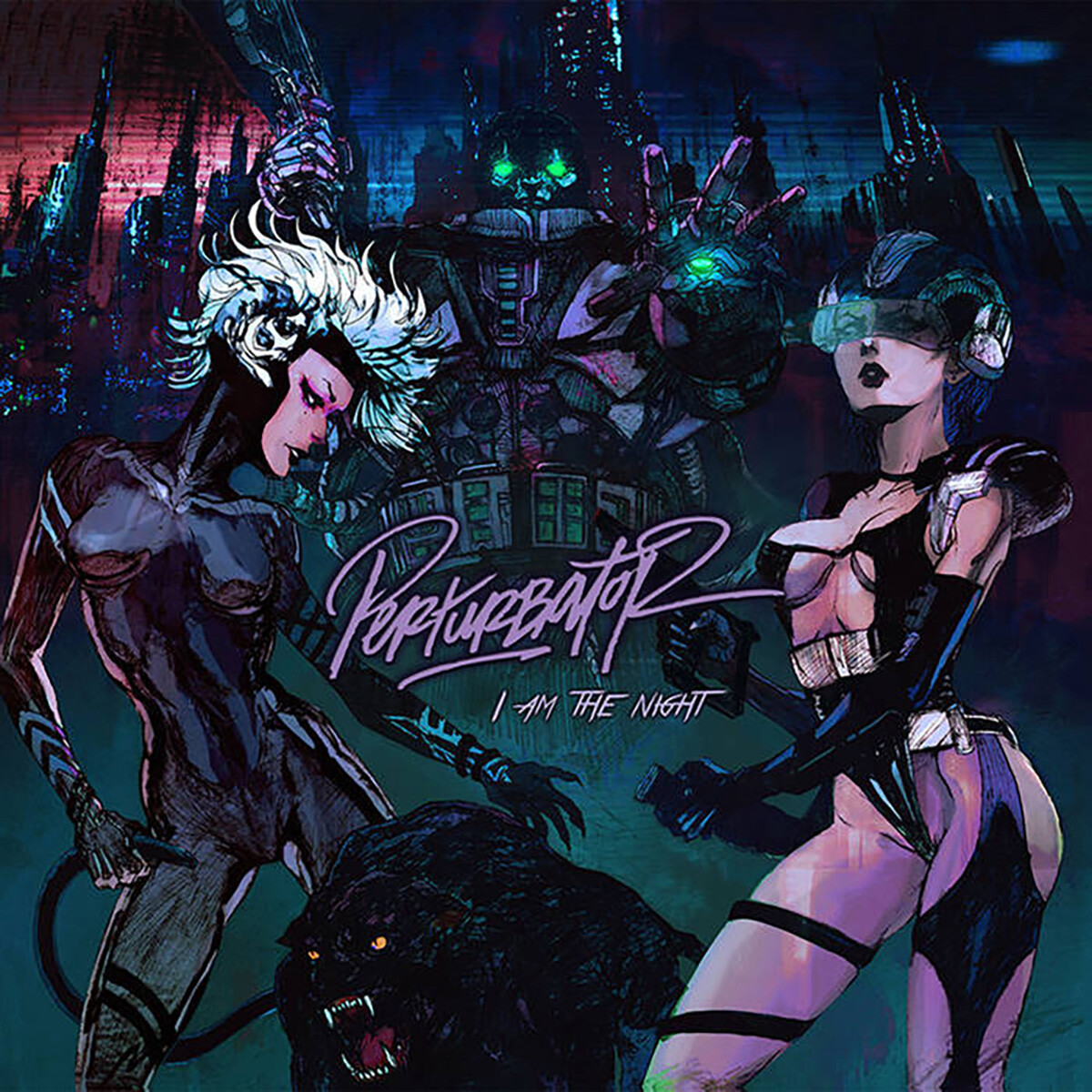
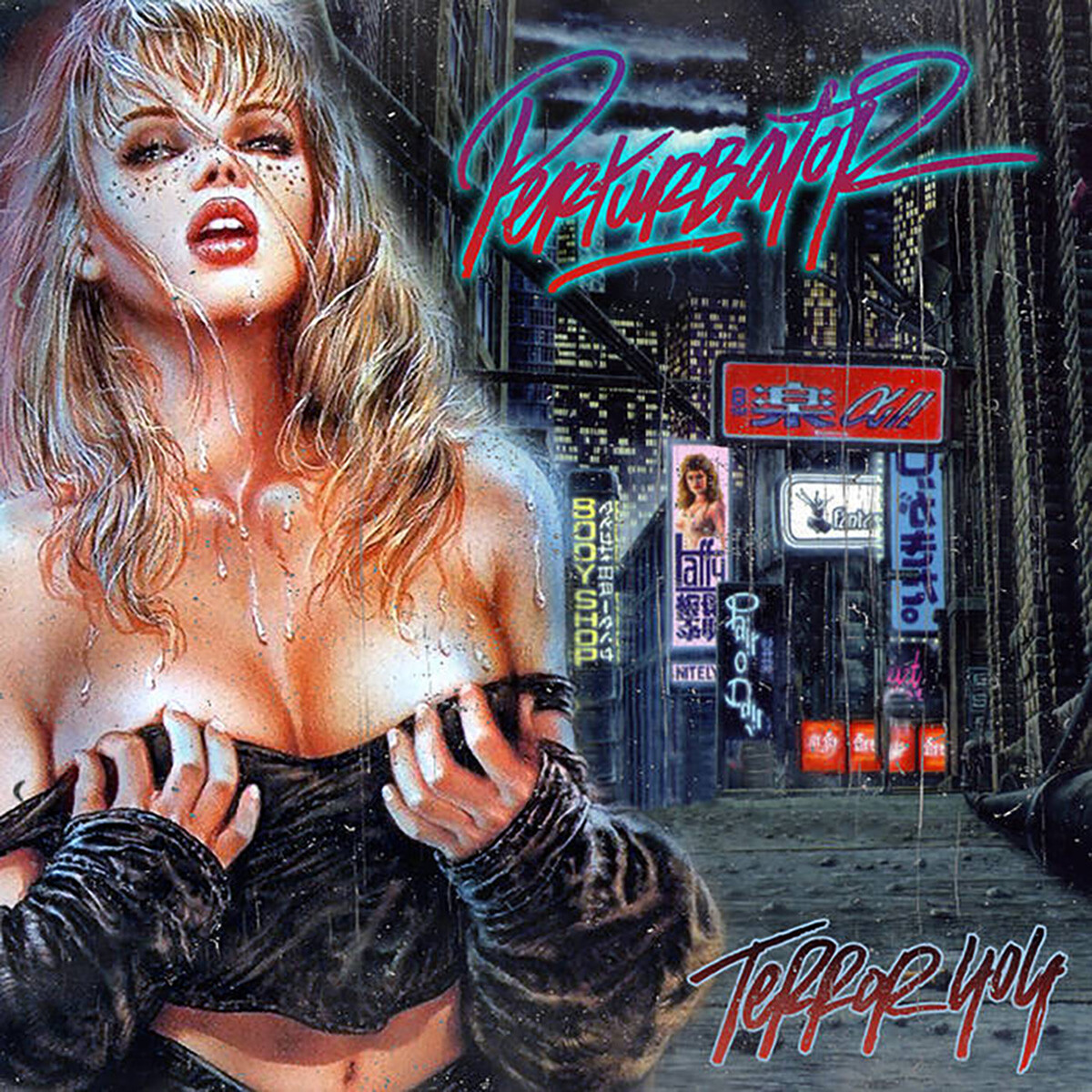
In 2012 Kent recorded his first EP, Night Driving Avenger, in his bedroom with a computer, some software, a keyboard and a sound card, and uploaded it to Bandcamp. Within ten months he had released a second EP, Nocturne City, and a first full-length, Terror 404, and before the year was out, I Am the Night. His aim was simple: he wanted to make something that sounded like a John Carpenter score. The synths he used were not real either, but software emulations of vintage machines such as the Oberheim OB-X and the Yamaha CS-80. His black metal friends' first reaction was bewilderment, but they gave him their support too. As Kent points out, eighties nostalgia was not yet as widespread then as it is today.
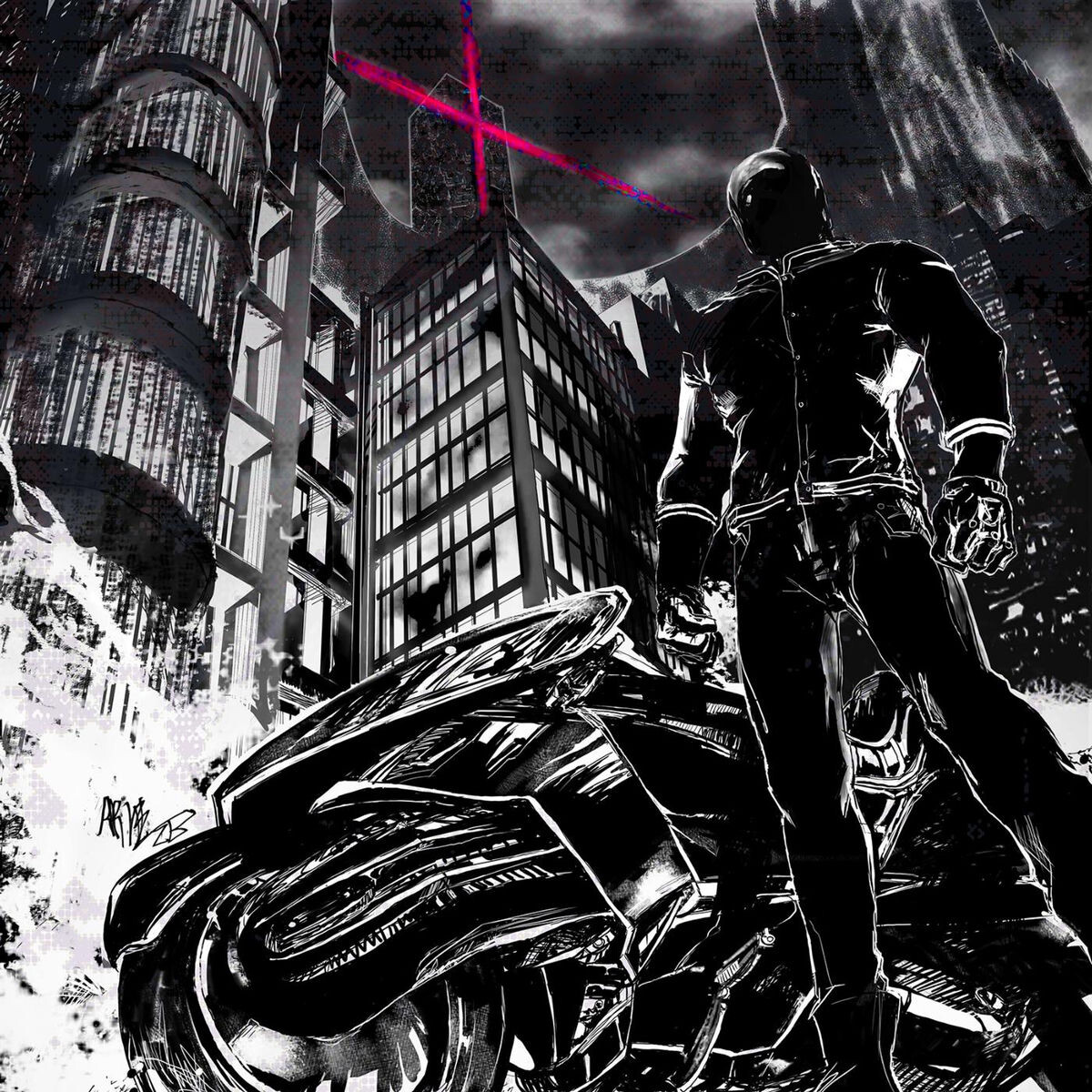
A video game turned Perturbator from a bedroom project into a profession. Hotline Miami, released at the end of 2012, used three Perturbator tracks, chosen by developers looking for the feel of a film score. Kent describes notifications suddenly pouring onto his phone, and people paying large sums for his free-to-download albums, donations of $666 as a joke. When he received the first royalty cheque from the game, he understood that this was a job. His first concert, at the Glazart club in Paris, sold out.
A black metal label
Perturbator's tie to black metal shows not only in Kent's past but in his label. Kent spent the first eight years of his career with the Finnish extreme metal label Blood Music. The label released Dangerous Days in 2014, then reissued most of the earlier records. The presence of one of synthwave's most listened-to names in an extreme metal label's catalogue also shaped who this music reached. According to Kerrang's 2021 piece, Perturbator's audience is largely a rock and metal audience; Kent has played festivals such as Hellfest, Roadburn and Rock am Ring, and in 2023 closed a stage at Download.
The Uncanny Valley, released on 6 May 2016, was the peak of this period. A concept album, the record climbed high on Billboard's Heatseekers and Dance/Electronic charts. It built an apocalyptic world in which the line between human and machine blurred, and its satanic imagery was pronounced. An electronic album driven by such openly satanic imagery marked the moment when Kent's black metal past showed most clearly in aesthetic terms.
Shedding the clichés
The New Model EP, which followed a year later, was a turning point. Kent openly described the record as a break: he wanted to shed the clichés he found far too common in the synthwave scene, and to show that he could make Perturbator without leaning on the eighties theme. Blood Music's announcement presented it as a glitch-ridden piece that ignored modern tempo rules and moved on a distorted, muffled low end.
Kent's parallel projects were also behind this break. L'Enfant de la Forêt, the ambient and dark industrial project he started in 2014, released its first album, ABRAXAS, on Bandcamp in 2015. In 2018 he reworked Cult of Luna and Julie Christmas's song "Cygnus" and made a joint single with HEALTH. In 2022 he teamed up with Johannes Persson of Cult of Luna in a post-metal project called Final Light. Perturbator's circle came to look less and less like synthwave and more and more like the world of heavy music.
Xanadu
Lustful Sacraments, released on 28 May 2021, was the album that completed this transformation. Kent describes it as a mix of the eighties, film scores and, here and there, nineties industrial music; among his references are The Cure, The Sisters of Mercy, Killing Joke, New Order, Siouxsie and the Banshees and German EBM. The record is set in a false utopia called Xanadu, whose inhabitants worship the city's apparently endless abundance. Kent recorded the synths, drum programming, guitars, basses and vocals himself, and did the mix as well. Mastering went to Jaime Gomez Arellano, a familiar name in the doom and black metal world. The French doom band Hangman's Chair sing on the closing track, "God Says". The album was the last record of an eight-year partnership with Blood Music.
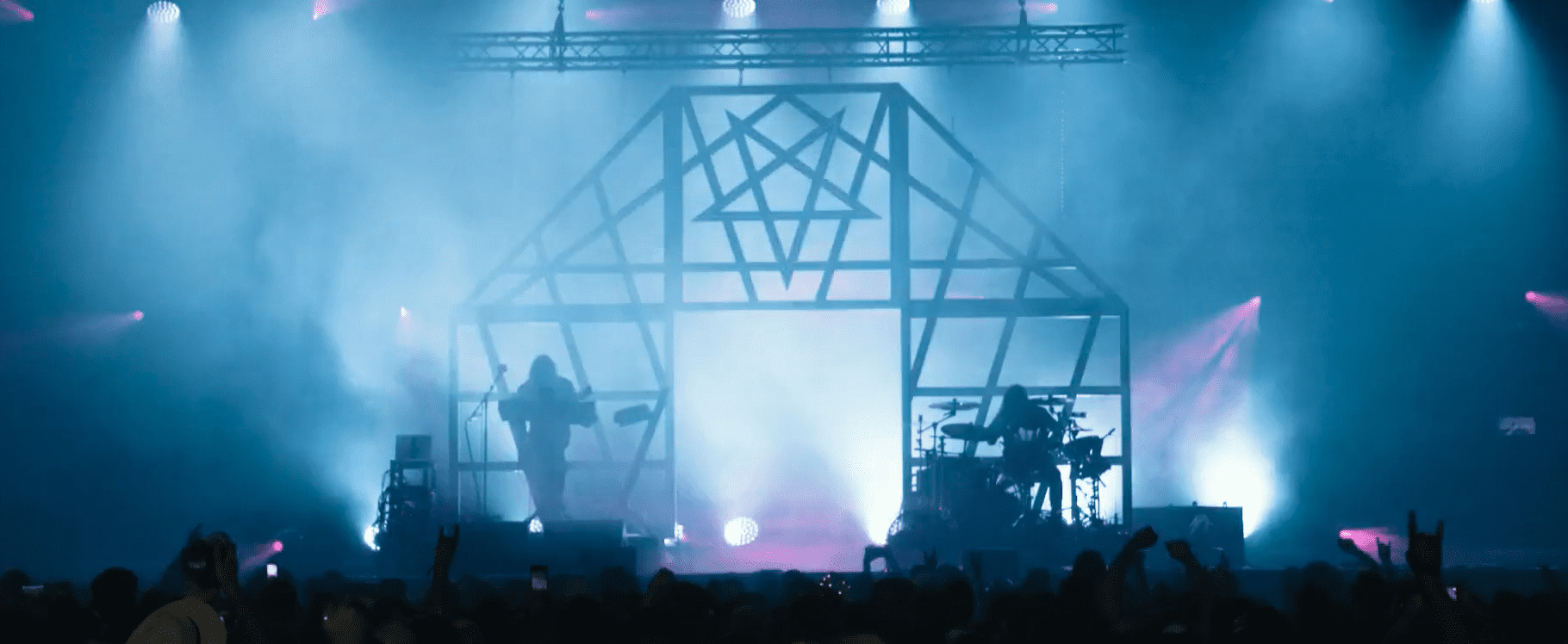
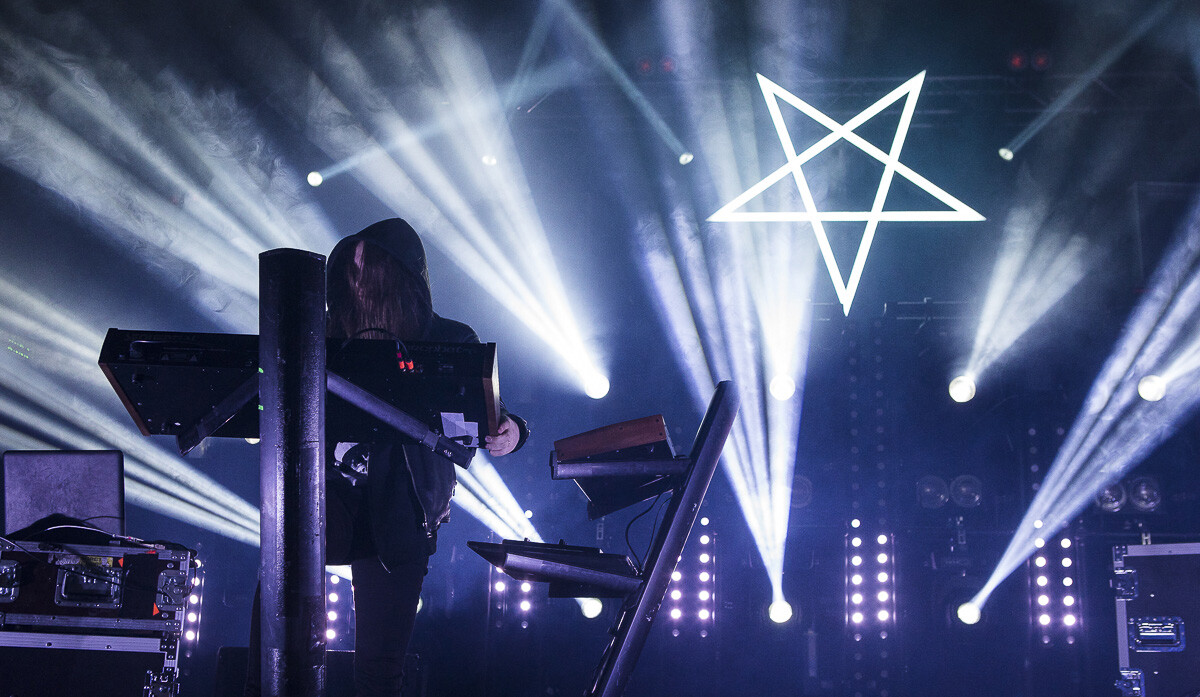
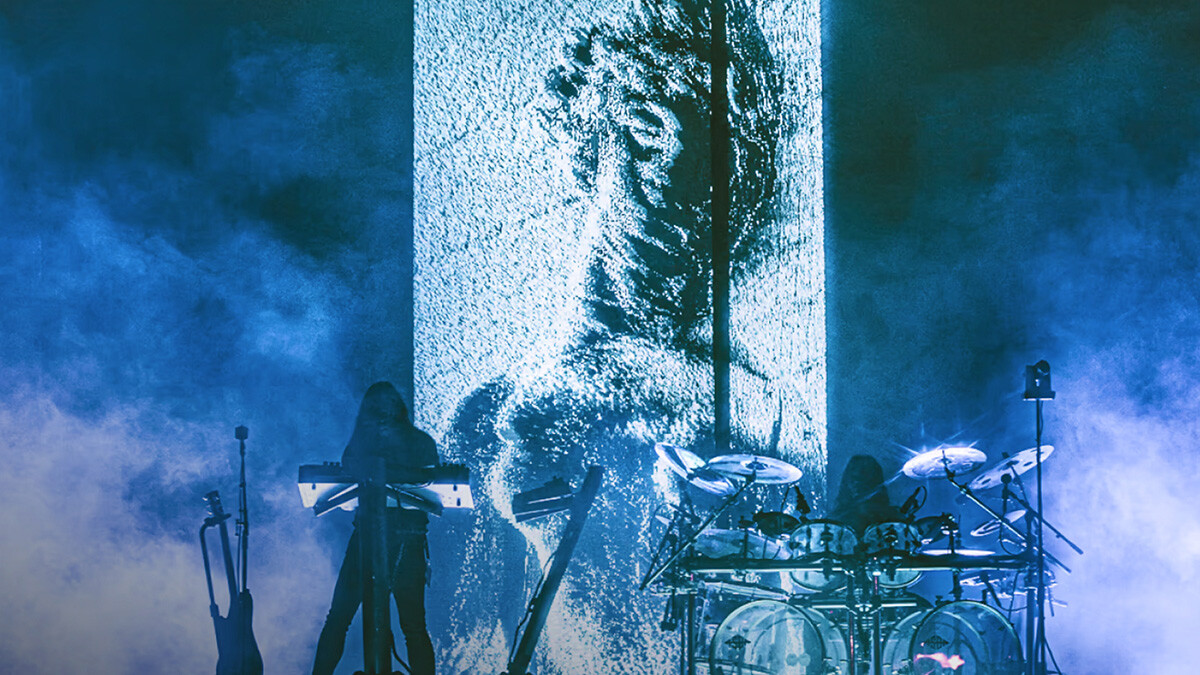
On Lustful Sacraments the bright arpeggios of synthwave give way to gothic rock and post-punk tones and to heavy bass lines taken from EBM. Angry Metal Guy's review describes the album as something like Wolves in the Throne Room meeting John Maus's eighties-style gothic pop. Kent's presence on stage changed in the same direction. The live setup had begun with a single controller and samples, then grew to include a keyboard and finally a drummer. On stage his face stays behind his hair, a silhouette inside the light. Kent describes this as a conscious choice: he likes to keep the Perturbator persona separate from himself, wants to keep it mysterious and enigmatic, and lets the light show do all the work. In his own words he likes the cult status, and has always admired black metal bands for being seen that way.
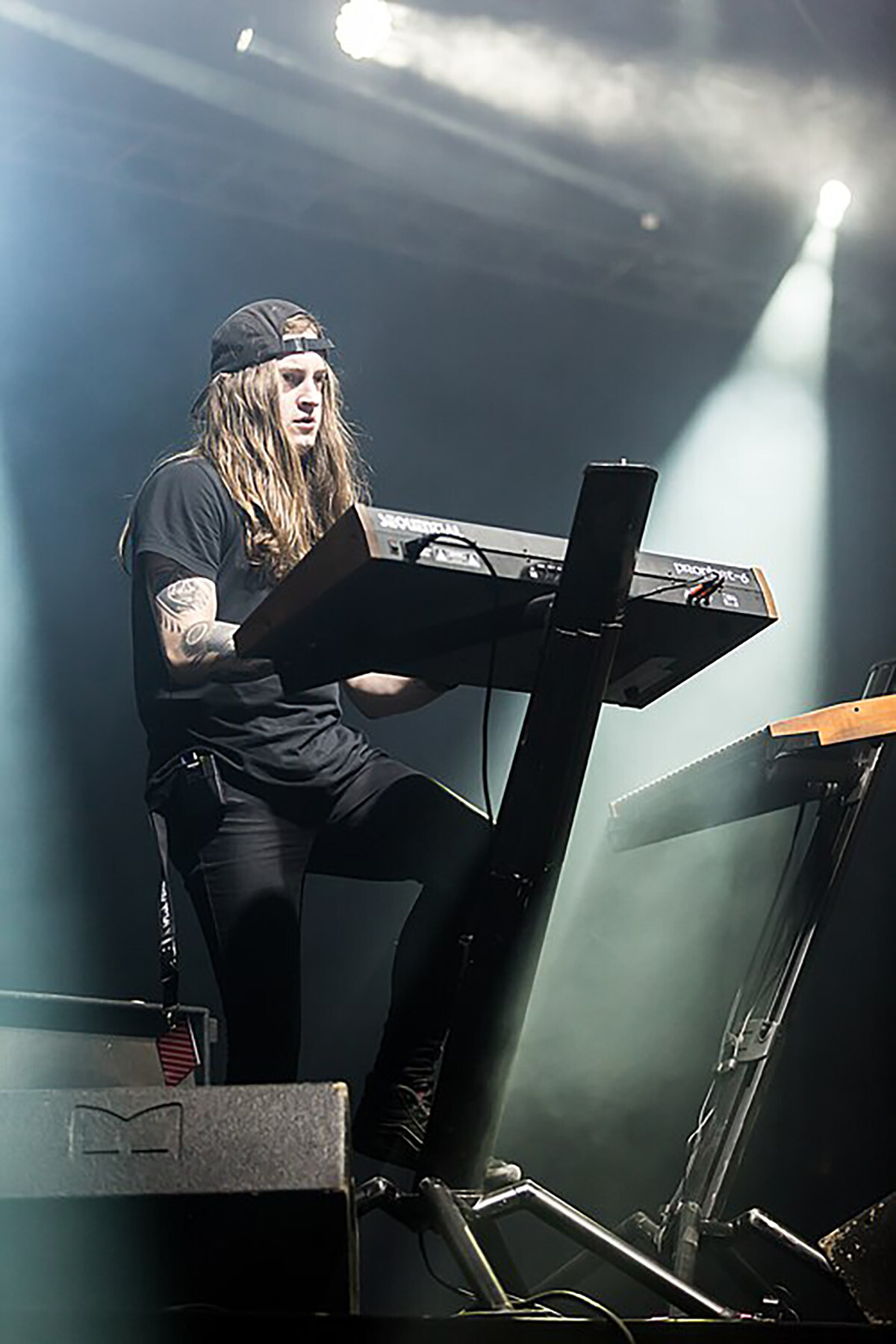
The Age of Aquarius
Age of Aquarius, released on Nuclear Blast on 10 October 2025, is Perturbator's sixth album and his first major label record after Blood Music. Kent describes it as a record about war and conflict, not only today's wars but all wars; he says his point is not to say "war is bad" but to show that war is inevitable and meaningless. The second part is about individualism: the idea that groupthink leads nowhere, and that one's own free will is the most basic thing a person has. According to Kerrang's cover story, the album turns back from the post-punk of Lustful Sacraments to lean on electronic rhythms and thick bass; the guitars sound as if they had been fed through a futuristic nightmare.
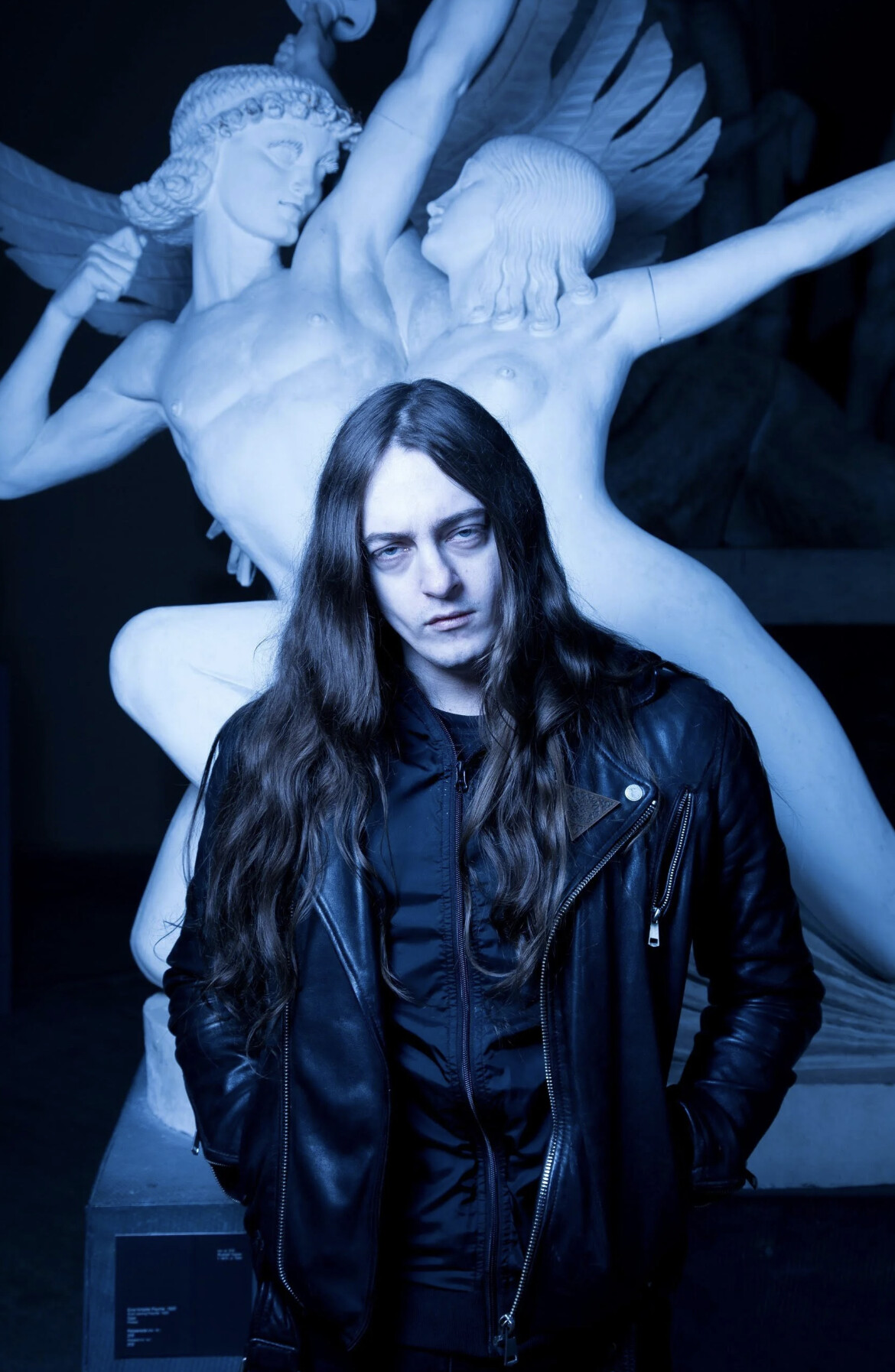
The album's guests show clearly which circles Perturbator moves in today. On "Apocalypse Now", which recalls Depeche Mode, Kristoffer Rygg of Ulver sardonically delivers lines that mock the idea of a war said to end all wars. The real instruments recorded at Studio Saint Marthe in Paris include contributions from the French post-black metal band Alcest. Kent recalls how, at the cult black metal festivals he played, the genre's big names would come up to him and recognise him, and says even Mayhem told him they liked his music.
Repetition inside a machine
Calling Perturbator a direct heir of black metal leaves Kent's own account incomplete. He sees his music as a mix of Slayer and Depeche Mode, of John Carpenter scores and French electronic music, and he has never claimed to have invented a genre. But what he took from black metal can be heard in the music: the hypnotic effect of endless repetition, the withdrawal of the maker's identity, darkness handled as a view of the world rather than an aesthetic ornament. He builds them without guitars, from emulated synths, programmed drums and his own mix.
The first leg of the Age of Aquarius tour ended with two nights at the Bataclan in Paris. At the end of the road from Glazart, where Kent played his first concert, to the Bataclan, the stage picture rests on the same idea: hair over his face, inside the light, a silhouette.
- Interviews
- Kerrang!, cover story by Nick Ruskell (8 October 2025)
- Kerrang!, "How Perturbator taught a generation of metallers to dance" (May 2021)
- Small Talk interview (January 2014): the I The Omniscient detail
- TuneCore interview (2016), via Mosh Pit Report
- Credits and discography
- Perturbator Bandcamp: Lustful Sacraments credits
- Wikipedia: Perturbator and Age of Aquarius entries
- Metal Archives
- Deezer biography: Blood Music detail
- Reviews
- Angry Metal Guy (May 2021)
- Side-Line (2021)
- iHeart / AllMusic biography: Billboard charts
- Uncertain
- Final Light, HEALTH and Cult of Luna remix details rest mainly on the Synthwave Wiki.
- Quotations (all from English)
- Kent's words to Kerrang!, paraphrased.