 Audi tenebras inter cortices
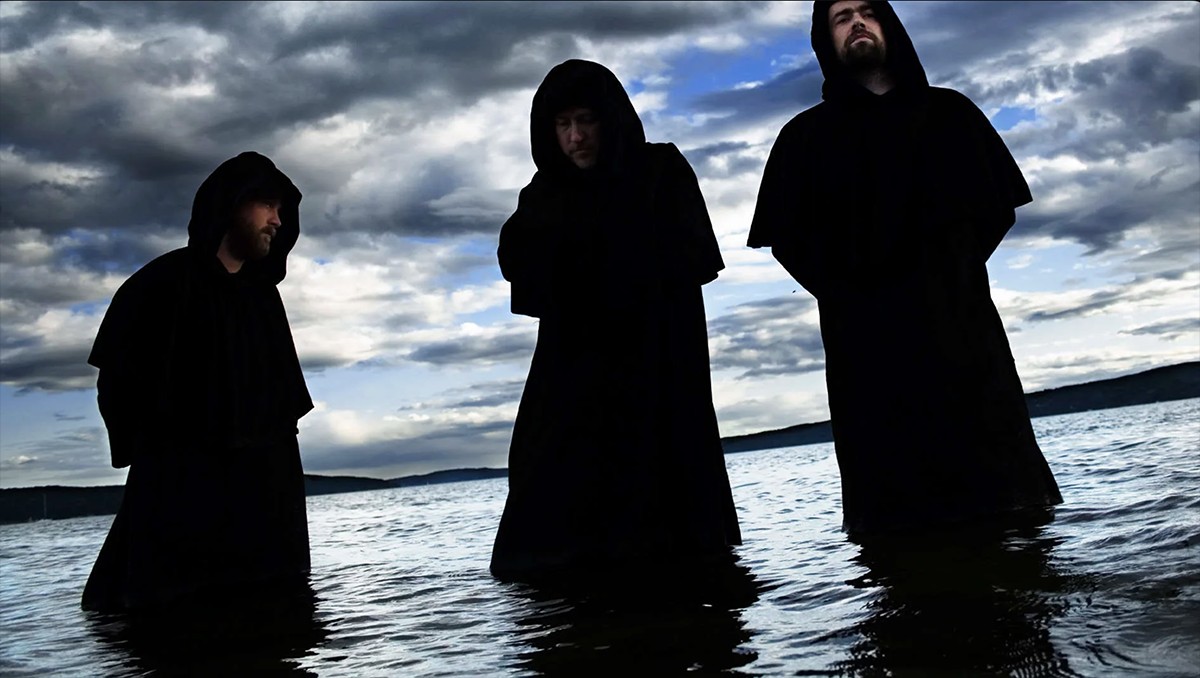
Across a discography of more than thirty years, Ulver's one unchanging habit has been to abandon, with each new album, the language the previous one built. Founded in Oslo in 1993 by Kristoffer "Garm" Rygg, the band appeared in the years when Norwegian black metal guarded its rules most strictly, and used those rules up in three albums. Today the same name covers chamber music, improvised krautrock, synth-pop and almost entirely instrumental electronic records. It is easy to read this scatter as an identity crisis. It is more productive to look for Ulver's identity in precisely this will to change.
From the forest to the wolf
Bergtatt – Et eeventyr i 5 capitler, which followed the 1993 demo Vargnatt, came out in February 1995 on Head Not Found. It was recorded in November and December 1994 at Endless Lydstudio in Oslo, with the engineer and co-producer Kristian Romsøe. In five chapters, the album tells the tale of a young woman lured into the mountain. "Bergtatt" is the name Norwegian folklore gives to a person being taken inside the mountain by supernatural beings. The lyrics were written in an archaic Dano-Norwegian drawn from Ludvig Holberg and the hymn writer Thomas Kingo.
Bergtatt stands apart from the records of its time because the acoustic passages are not scattered through the wall of guitars as ornament. Droning, blurred distortion and acoustic sections with clean vocals interlock like two states of the same story, and Romsøe's recording places both in the same misty space. The 2014 box set collecting the band's early period was titled Trolsk Sortmetall. The sense the word "trolsk" carries, the enchanted forest air that leads a person off their path, describes how this album sounds better than its dictionary definition does.
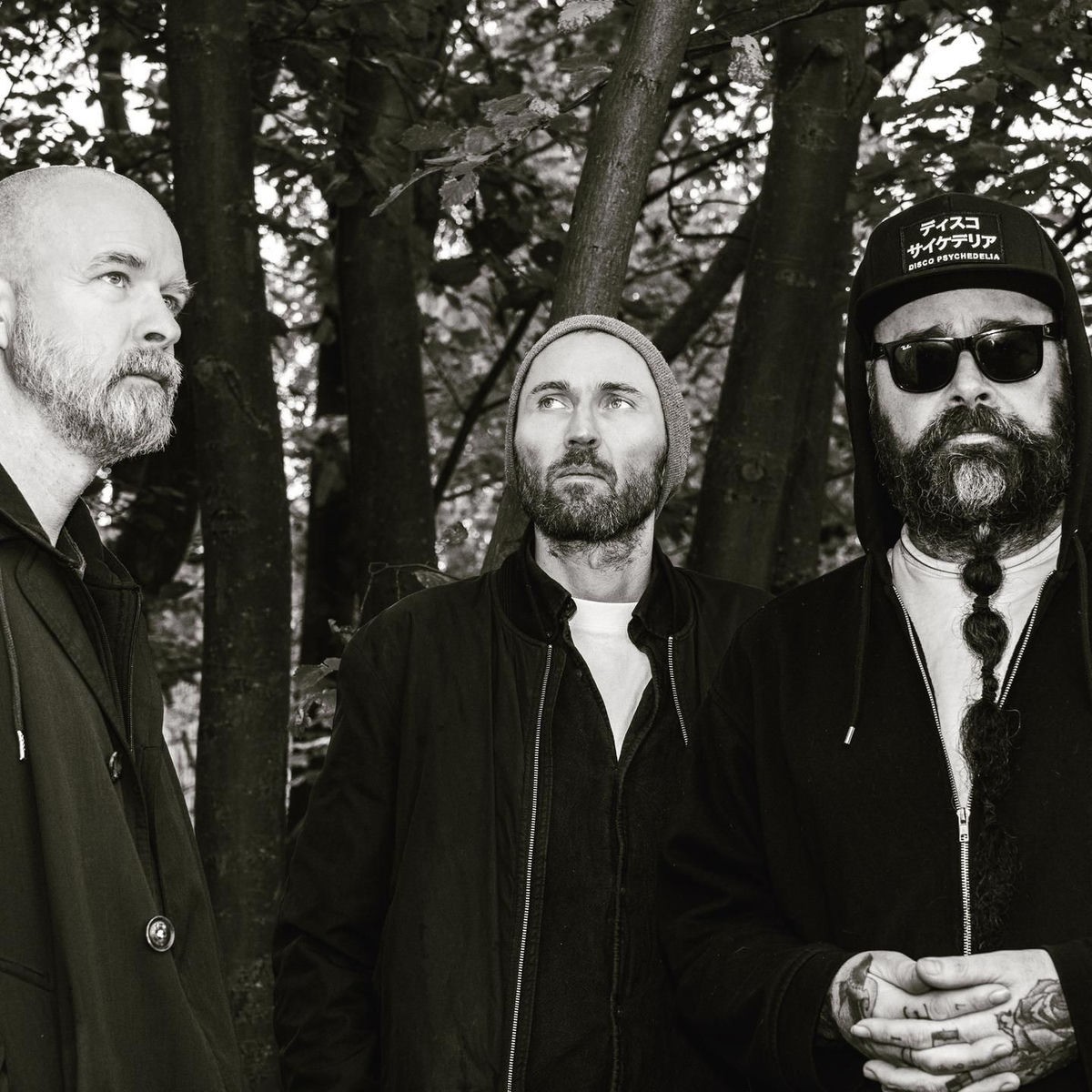
The next two albums split Bergtatt in two. Kveldssanger, released in March 1996, has no electric instruments at all, only acoustic guitars and layered clean vocals. The album was recorded in the summer and autumn of 1995, again at Endless Lydstudio. According to Rygg, the band made this record while still rehearsing Nattens Madrigal. The pastoral and the savage were being written side by side in the same months.
Nattens Madrigal – Aatte hymne til ulven i manden came out on Century Media on 3 March 1997, and this time everything acoustic had been thrown out. What remained was deliberately underproduced black metal, its treble never filed down. The guitars are not heard as separate instruments; they become a single mass of hiss that swallows the vocals too. The "wolf in man" of the title says that the threat in the forest has now come inside.
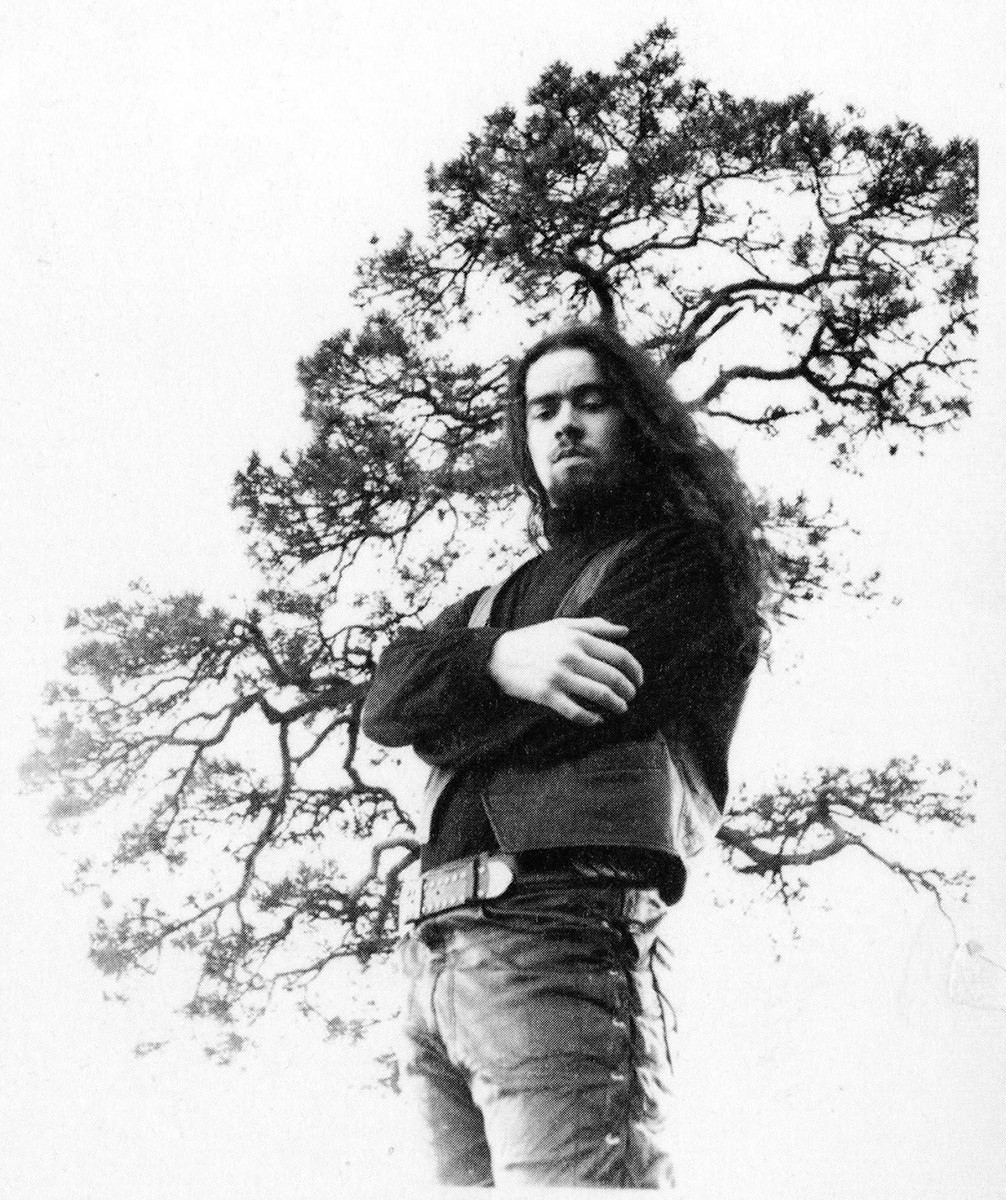
For years a legend circulated around the album: that the Century Media advance went on Armani suits, cocaine and a Corvette, and that the record was made in the forest on an eight-track. The band denied it many times. An interview with Invisible Oranges for the album's twentieth anniversary explains that the car was borrowed from a dealer Rygg's father knew, and that the photo shoot at Holmenkollen was a half-joking stunt. The rawness of the record was no budget accident; it should be heard as a choice knowingly handed to a major label.
Blake, Ylwizaker and the interior film
After the dispute with Century Media, Rygg founded his own label, Jester Records, in 1998. Themes from William Blake's The Marriage of Heaven and Hell, which the label released on 17 December 1998, set Blake's text to music and brought industrial rhythms and progressive rock arrangements together in a single structure. Metal now survived only as one layer of that structure.
Tore Ylwizaker, who joined the band at Rygg's invitation in 1997, was the sonic partner in this transformation. After metal, Ulver's sound passed largely through his keyboards and programming; the same ear is behind the production and mixing credits on records by artists such as Ihsahn and Arcturus. Together with the writer and publisher Jørn H. Sværen, who joined in 2000, Rygg and Ylwizaker formed the band's core for many years.
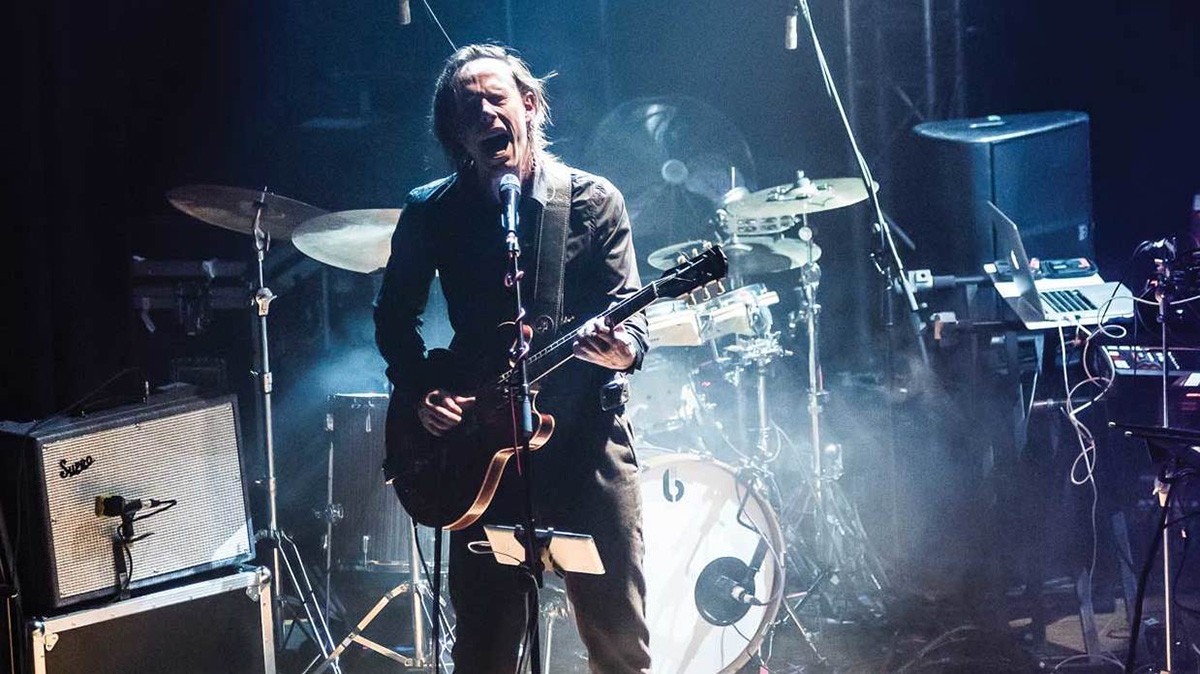
After the Metamorphosis EP in 1999, Perdition City, released on 26 March 2000, said what it was doing in its subtitle: Music to an Interior Film. The night city took the place of the forest. Trip-hop drums and a saxophone drifting into jazz stage the scenes of a film that was never shot. Ulver went on to score real films as well; Lyckantropen Themes (2002) and Svidd neger (2003) date from this period.
Shadows of the Sun, recorded between 2006 and 2007 at Ambassaden in Oslo, remained the band's stillest album. Rygg sings mostly in a low register here. Pamelia Kurstin's theremin and Mathias Eick's trumpet are laid over a string quartet, and one track carries Christian Fennesz's guitar texture. Black Sabbath's "Solitude" does not sound out of place in this heavy world. In 2008 the album was named album of the year at the Oslo Awards.
Messe I.X–VI.X (2013) was a commission from Tromsø Kulturhus. The Tromsø Chamber Orchestra was recorded live in rehearsals ahead of the concert on 21 September 2012. The material was shaped over the winter at Crystal Canyon in Oslo and mixed at Ambassaden. The liner notes say the album was mixed "to be played loud". The note can also be read as a warning against listening to the album as calm church music in the background.
Pop, history and catastrophe
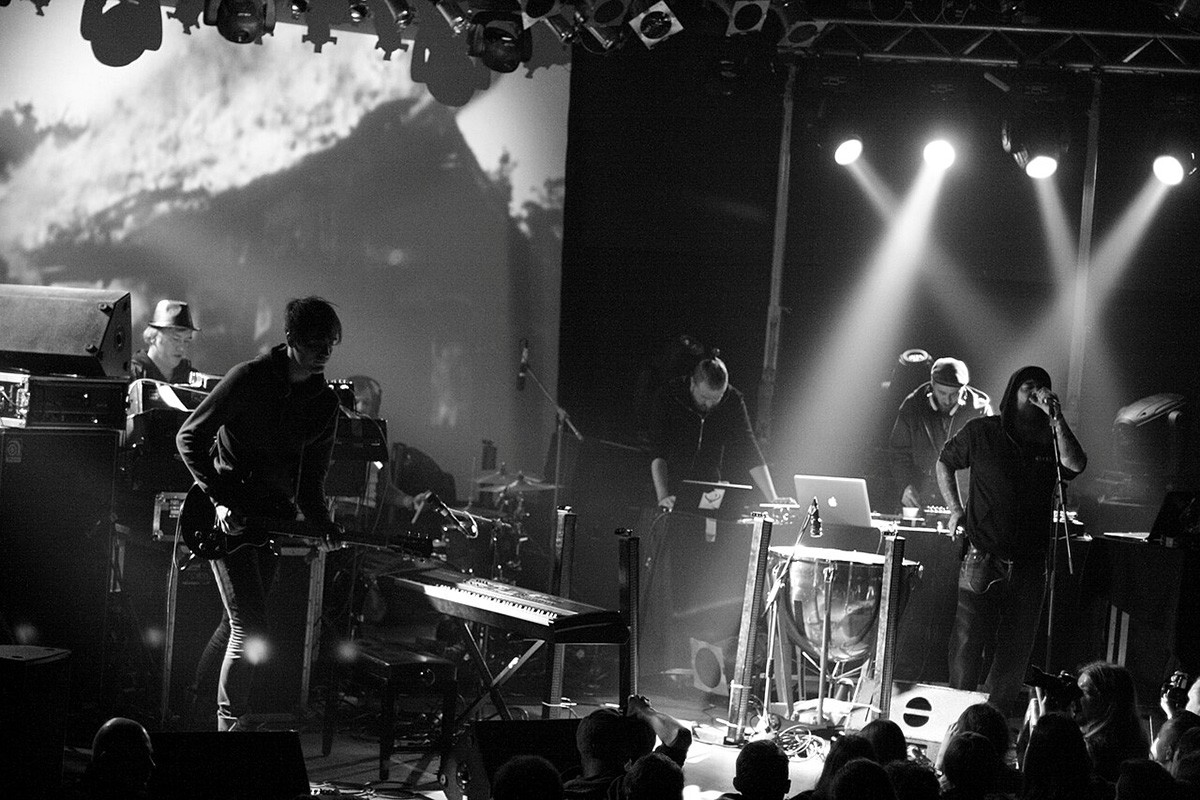
ATGCLVLSSCAP (2016), the first album of the band's House of Mythology period, was built from multitrack recordings of twelve improvised concerts given in February 2014. Daniel O'Sullivan cut and shaped these recordings in London. The Assassination of Julius Caesar, which followed a year later, was the record Rygg called "our pop album". It was mixed by Killing Joke's bassist Martin "Youth" Glover. The opener, "Nemoralia", knowingly summons Black Celebration-era Depeche Mode, and ties the death of Princess Diana to the Nemoralia, the festival the Romans held for the goddess Diana, and to her Greek counterpart Artemis. Elsewhere on the album, the 1981 attempt on the life of Pope John Paul II and Anton LaVey's Church of Satan house in San Francisco enter the same collage. Rygg describes the method as a kind of art collecting that joins, by association, impressions running from literature to painting and from there to music.
Flowers of Evil, released on 28 August 2020, carried the same language over to disco rhythms. The band's press text opened with the Sacro Bosco at Bomarzo: a garden full of monster sculptures commissioned by Vicino Orsini in the sixteenth century and swallowed over time by trees and moss. "Hour of the Wolf" winks at Bergman's film. "Apocalypse 1993" tells of the Waco siege and places the event in the winter the band's first line-up came together. The album's most memorable chorus was written about the dead of a cult siege.
Threshold
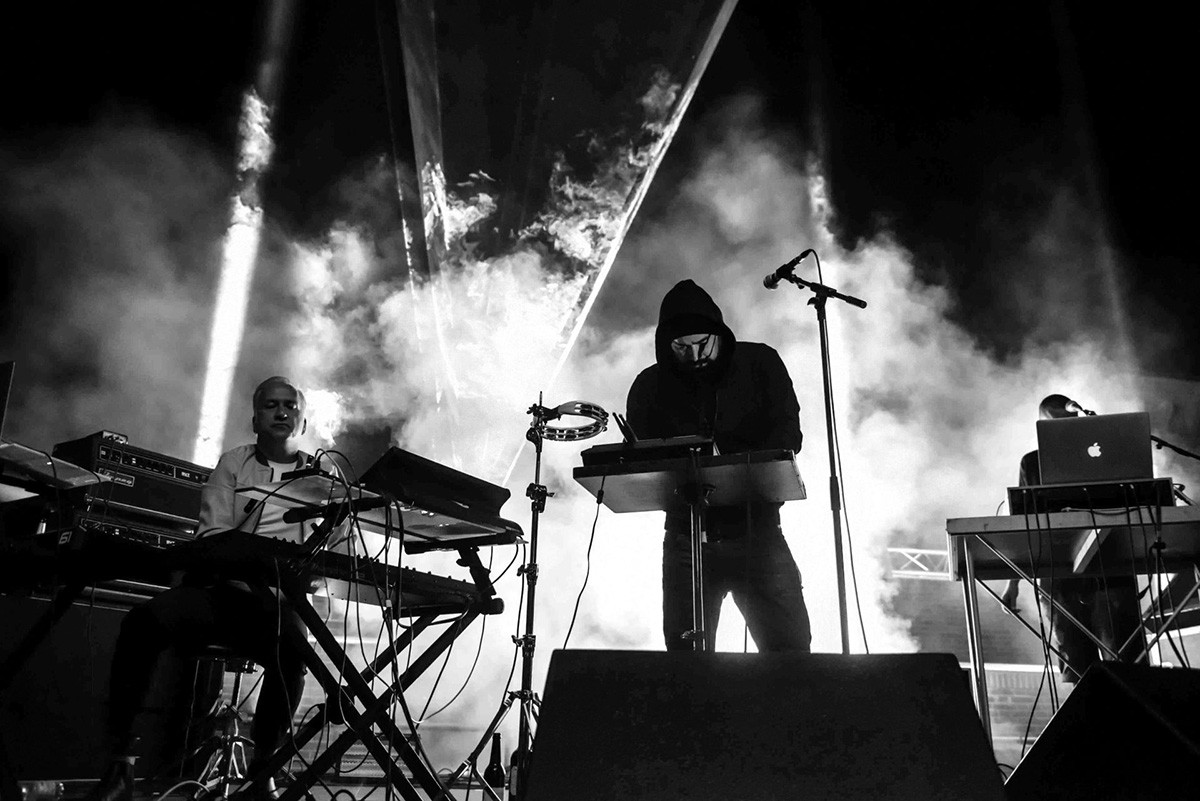
Tore Ylwizaker died on 16 August 2024, on the night of his 54th birthday. The band had said that after Scary Muzak (2021) he had drifted further and further from the work. He took no part in the Liminal Animals sessions, which began in 2022. The album, released on 29 November 2024, was written by Rygg and Sværen together with Ole Alexander Halstensgård; Anders Møller mixed it at Subsonic Society. The cover carries a detail from Austin Osman Spare's 1911 drawing The Senseless Seven, and the inner notes close with a dedication to Ylwizaker's memory.
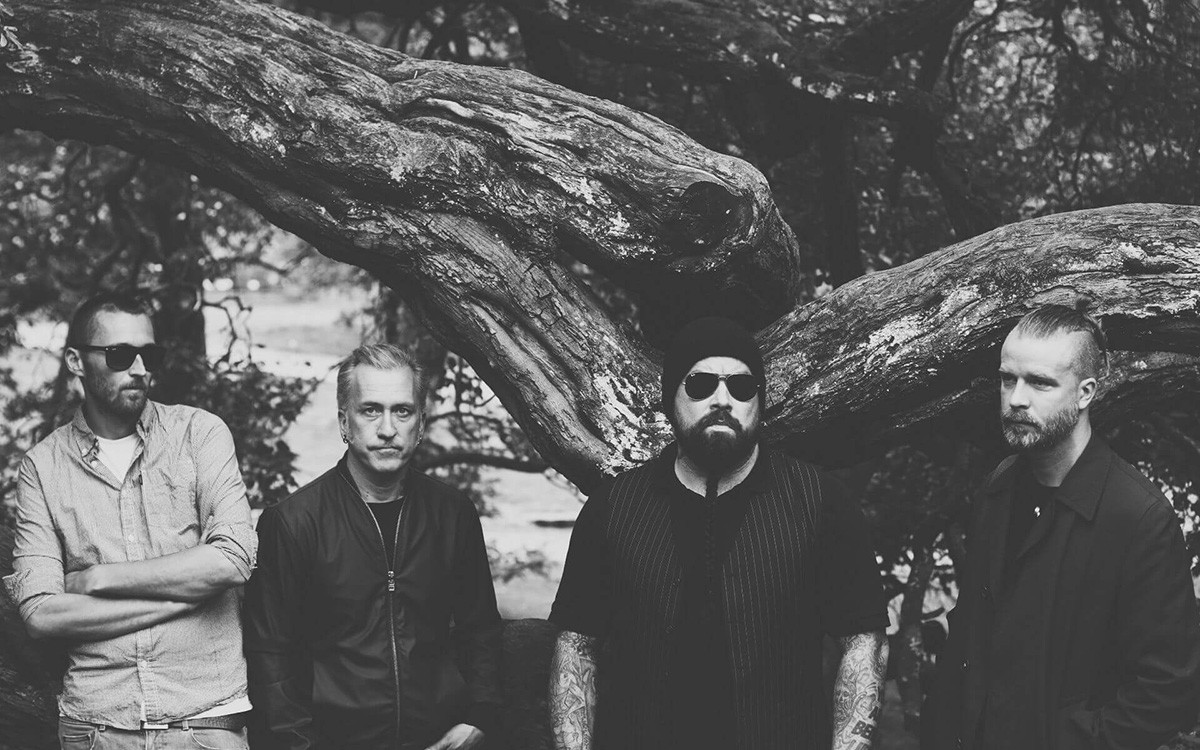
The album continues the urban synth-pop of the two records before it, but its texture is sparser and more uneasy. Even its most radio-friendly track, "Hollywood Babylon", looks at America from the outside. In the eleven-minute closer, "Helian (Trakl)", a voice reads Georg Trakl's poem, first published in 1913, in Arild Vange's Norwegian translation; according to Kerrang's review, the reader is Rygg himself. At the end of an album made without Ylwizaker and dedicated to him, it is hard not to hear this reading as a farewell.
The band did not stop there. Neverland, released on 31 December 2025, arrived as a largely instrumental electronic record. The members say they made it in a more "punk" spirit, with less discipline. The opening track, "Fear in a Handful of Dust", takes its name from "The Burial of the Dead", a section of T. S. Eliot's The Waste Land, and begins with a voice reading the poem over the sound of running water. The first chapter of Bergtatt was called "I Troldskog faren vild", which meant losing one's way in the enchanted forest. Thirty years later, in the first minute of Neverland, there is neither forest nor path; there is a voice over running water, reading lines written for the dead.