 Audi tenebras inter cortices
When the title track came out on 20 March 2026, we approached Pre-Historic Metal with some hesitation. The dry guitar tones, the deliberately bare riff structures and the pulled-back production pointed somewhere other than the heavy, airy line of It Beckons Us All. On its own, the four-minute track also sounded scattered. When the album came out on Peaceville on 8 May and we heard the eight tracks together, the pieces fell into place. Darkthrone are not copying old metal here; they are rebuilding the working logic of early extreme metal in today's studio. Fenriz puts it better in his own words: they are not restoring a replica Ford Mustang, they are building a strange car out of old parts.
The fortieth year
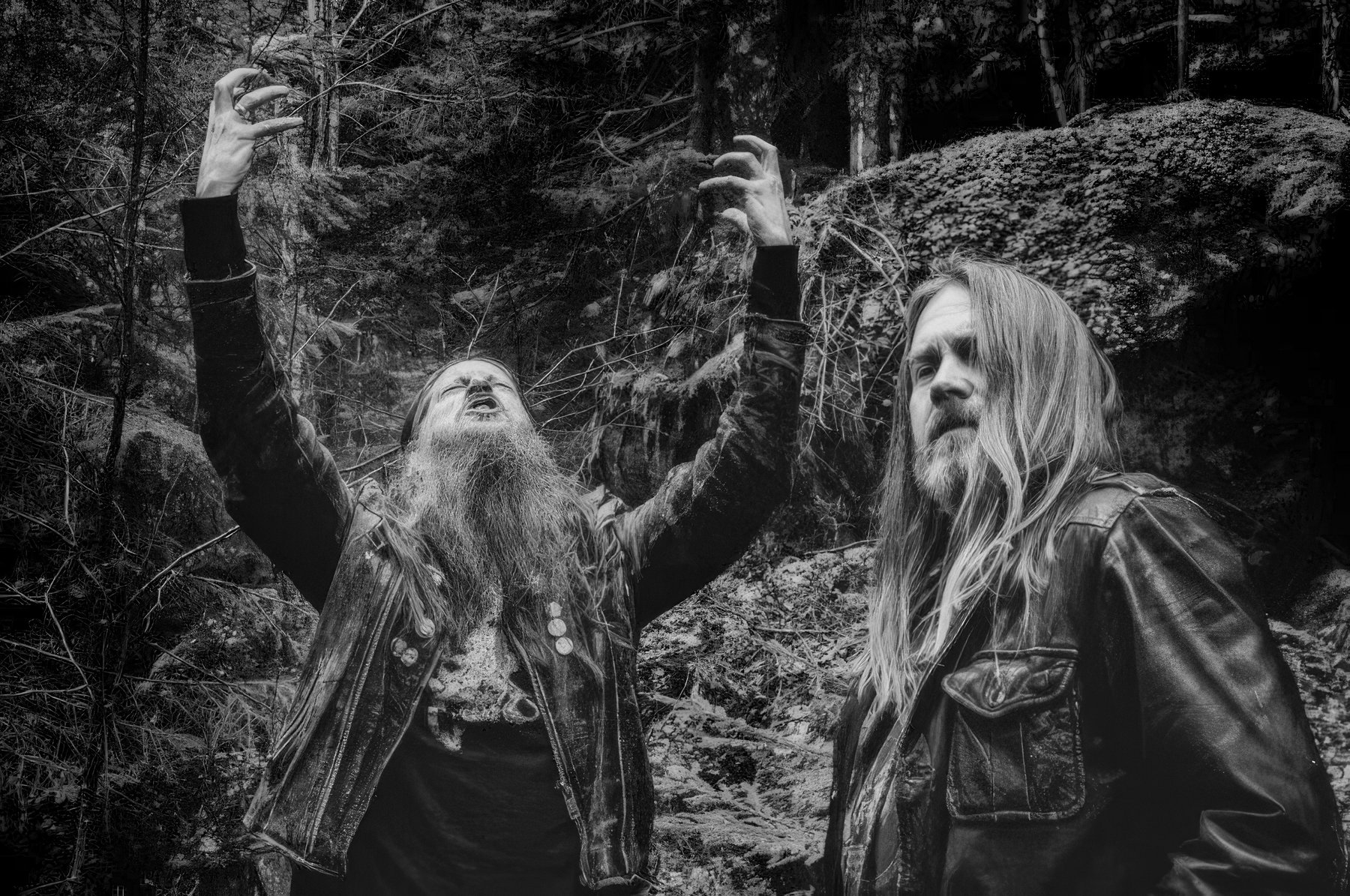
Pre-Historic Metal arrived forty years after Fenriz and Nocturno Culto first came together, as Black Death, in 1986. Earlier in 2026 Peaceville had released The Fist in the Face of God, a box set collecting the band's early black metal era. The deluxe box of the new album included a booklet with journalist Harald Fossberg's interview with the duo on the making of the album, and a vinyl pressed with Maciej Kamuda's illustrated alternative cover. Sources do not even agree on where the album falls in the count; some publications call it the twenty-first studio album, others the twenty-second.
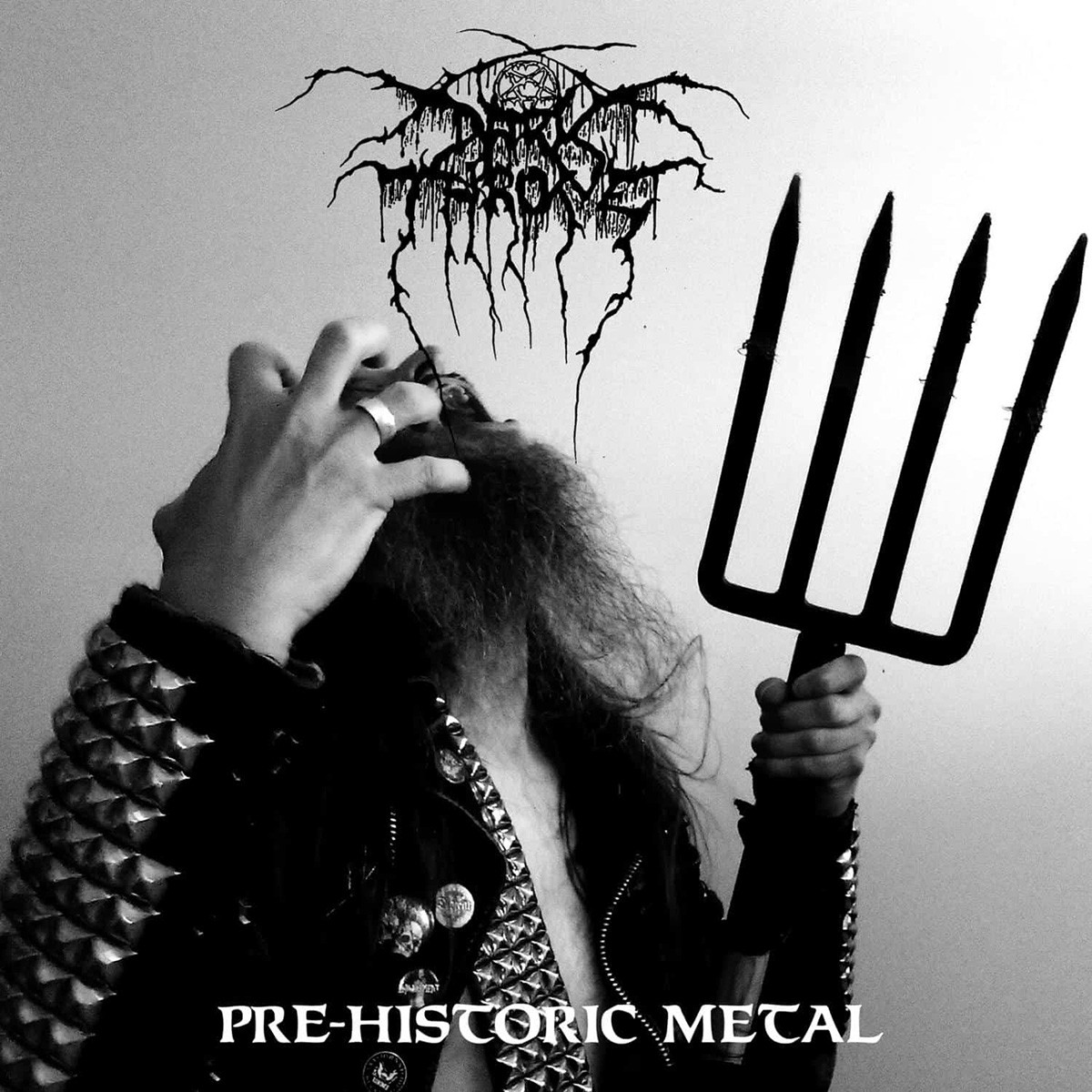
The album's title and cover changed at the last minute. As Fenriz told Decibel, the album was for a long time going to be called Deeply Rooted; both title and cover had been ready for years. As studio time approached he began writing more savage material; at the time he was listening to Maninnya Blade's "The Barbarian", Kreator's Endless Pain and the Minotaur demos. Next to a song whose title began "Draconian" he had written "Prehistoric Metal" in brackets. In the end he renamed both the song and the album after it, and for the first time wanted a cover that could be printed on a T-shirt. When the work with a painter missed the deadline, Fenriz put on the Steamhammer pressing of Sodom's Obsessed by Cruelty and photographed himself as he imagined he looked inside while listening to it. He is holding a garden fork he used to aerate the lawn, still with soil on it; to Fenriz it looks far more savage than a candelabra.
No metronome, no in-ear monitors
The album was recorded in June 2025 at Chaka Khan Studios in Oslo. Nocturno Culto has been taking the band to this studio since 2020. Production was handled by Ole Øvstedal and Silje Høgevold of the studio's staff, with Mads Luis; mastering is credited to Jack Control of Enormous Door and Maor Appelbaum. Invisible Oranges' piece on the album notes that the studio's large archive of vintage equipment has increasingly shaped the band's recent sound and made room for new elements such as the synthesizer.
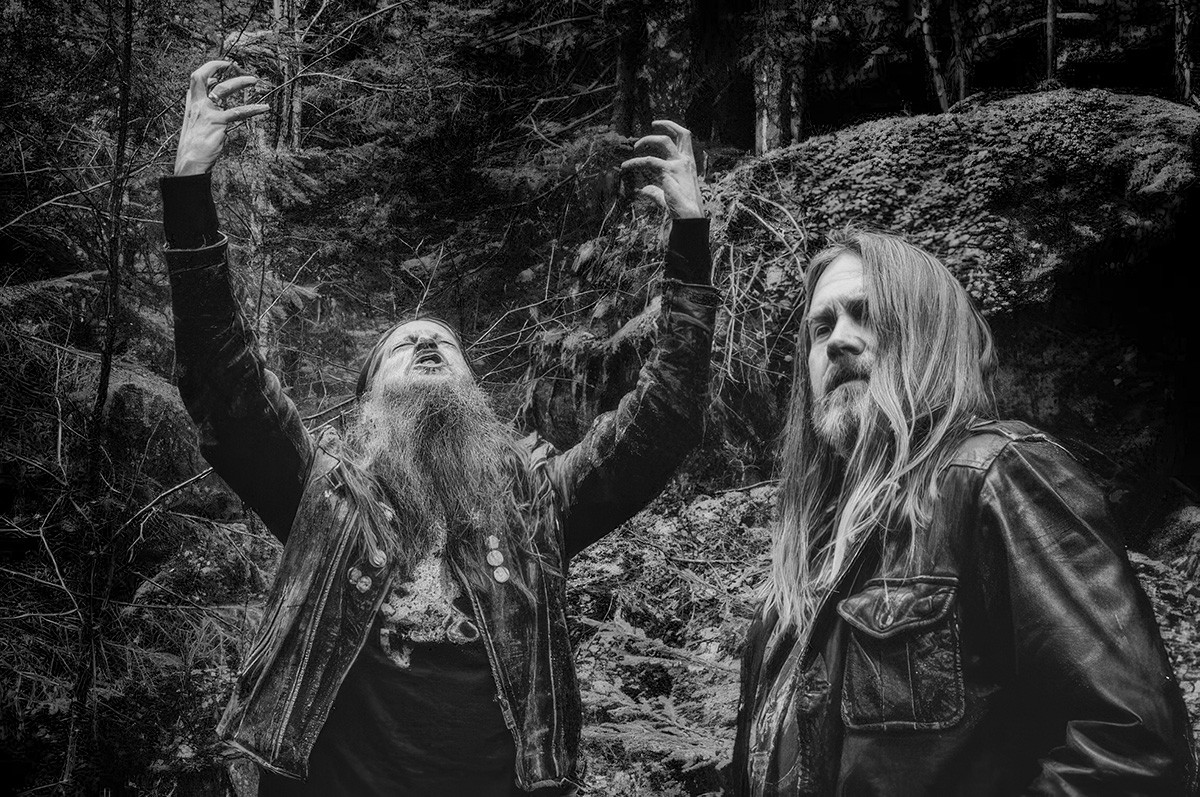
The working method explains the album's sound more than the equipment does. By Fenriz's account the band have not rehearsed since 2003 and use neither a metronome nor in-ear monitors in the studio. Nocturno Culto picks up the guitar and starts writing songs three months before the studio date. Fenriz says that since 2015 most of his riffs have come to him while watching football. What changed on this album was the collaboration. After recording A Blaze in the Northern Sky in the summer of 1991, the duo had made a rule of writing every song separately. On Pre-Historic Metal, at Nocturno's request, they worked together in the studio more than ever before. Fenriz played bass and guitar in places and sang more than usual. He also wrote the last two riffs of "Deeply Rooted"; apart from "Rawness Obsolete" in 2004, it is their first shared song since 1991. This time Nocturno did not want the back cover to say who wrote which song, either.
The one thing they agreed on before recording was to repeat riffs less and to write shorter, more effective songs. Fenriz calls it "hardening of the arteries": instead of the airy, slowly unfolding structures they have always loved, they tightened the tourniquet and made eight songs full of riffs. The dryness that gave us pause on first listen comes from here too. The riffs arrive one after another without a breather, the transitions are left abrupt in places, and the guitar itself takes the place of atmosphere.
What "Prehistoric" means
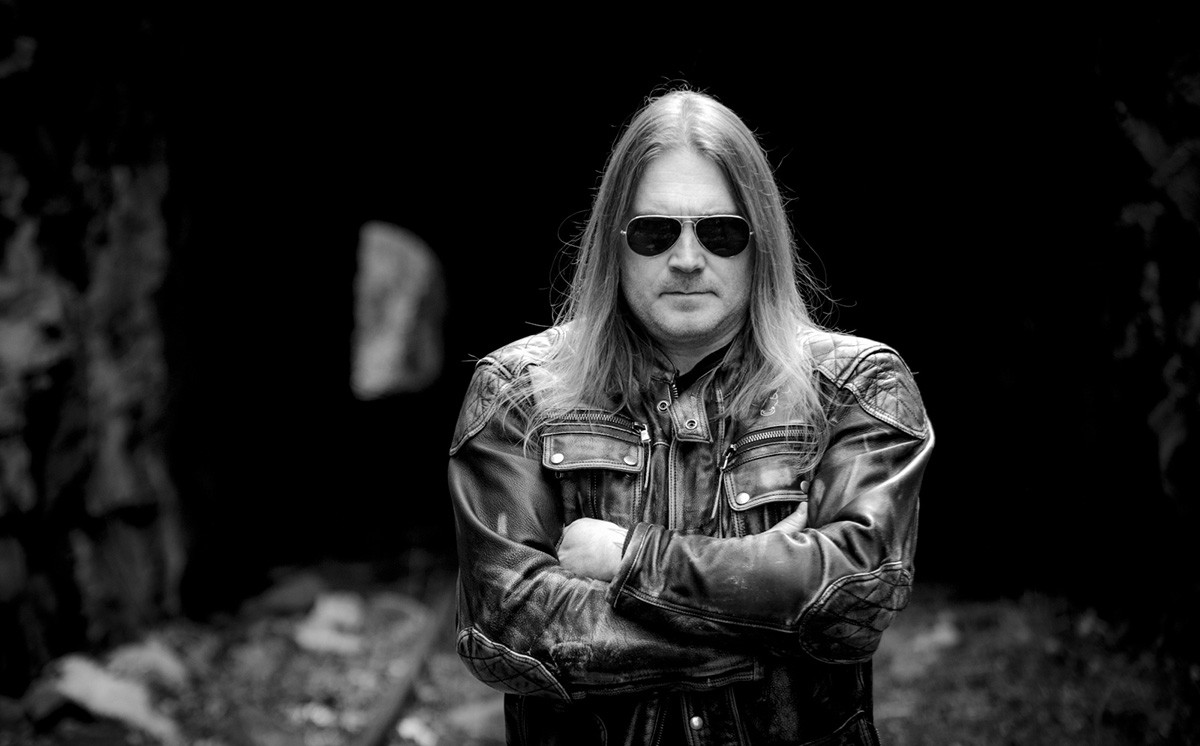
Fenriz explains the title in the press text: "Prehistoric is a loose term. I just figure it's our vibe, our take on things and it's more a statement that we use old style to create something new." The title points less to a cave aesthetic than to a working reflex. Elsewhere Fenriz says they feel like "a seventies band that wants to sound like 1986". That sentence is a good key to the album. The point of reference is the years before black metal was codified, when thrash was turning dark and the genres had not yet split from one another.
Fenriz's answers about influences bear this out. Though he says he is very bad at imitation, he explains that Tom G. Warrior's way of writing riffs is "in his blood", which is why the technique of bending the strings keeps turning up. He adds that he does not hear Mercyful Fate in his own songs, though it may be there in Nocturno's. This freedom keeps the album from becoming a retro exercise. The songs call up no particular band, only the reflex of an era.
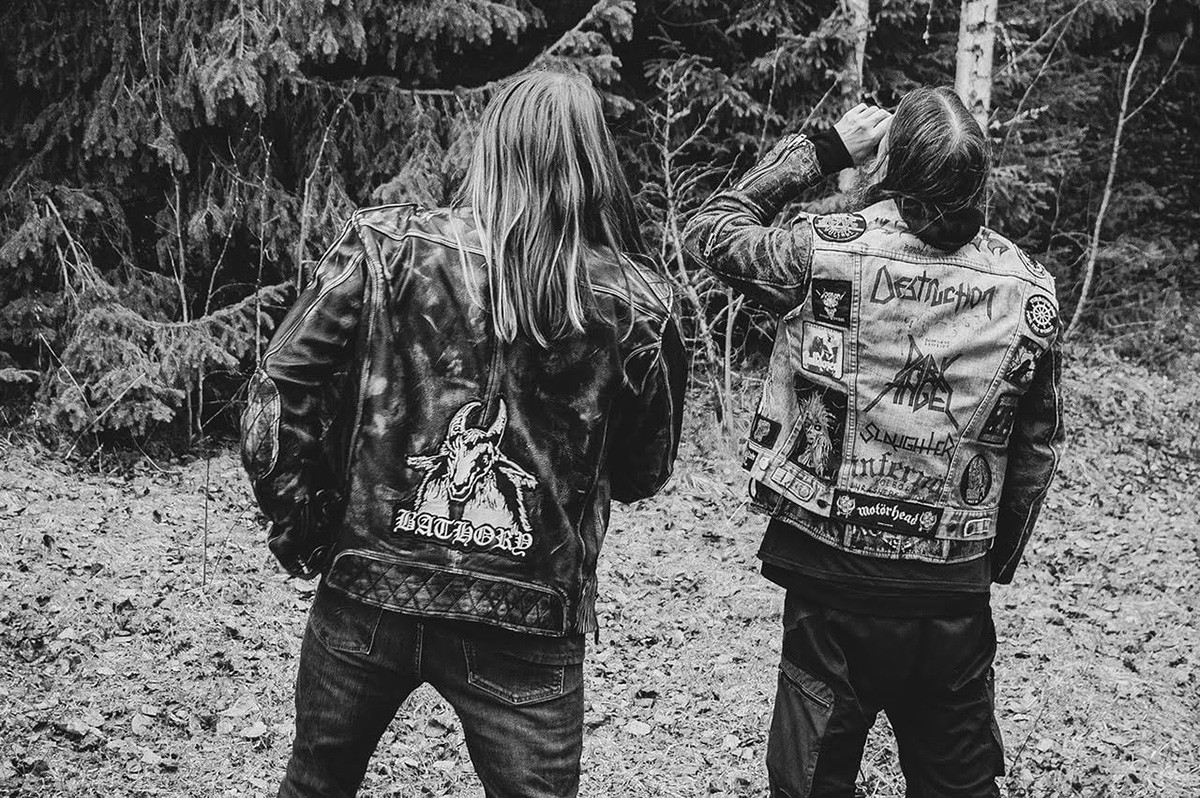
Fenriz's views on production lead to the same place. He considers the drum sound of the seventies the best drum sound in metal; he dislikes the eighties arena sound that imitated drum machines, and the thin, clicking bass drum that came with speed. He still complains that Darkthrone's first album had a modern sound, and says that on every album since they have been looking for a "round" bass drum. The pulled-back, dry mix on Pre-Historic Metal comes from this deliberate choice of sound, not from indifference.
Eight tracks
The opener, "They Found One of My Graves", starts with galloping riffs and carries Nocturno's muffled vocal, which sounds as if it were coming from far away. At the end the track dissolves into a psychedelic doom section and closes on Nocturno's synthesizer; Fenriz counts this ending among his favourite moments on the album. The title track is the album's most contested moment. Doom sections, twisted Slayer-like riffs, blasts and power metal choruses are squeezed into four minutes. Invisible Oranges hears it as a kind of summary of Darkthrone's career of twenty-odd albums. This is also where our first hesitation came from; heard within the album, with the songs around it, the track makes much more sense.
"Siberian Thaw" is the album's centre of gravity. It moves through giant doom riffs, a chorus sung like a choir and a cold synthesizer section; Invisible Oranges writes that an Arturia MicroFreak was used in that section. For Fenriz, the best moment on the album is the second, slow thrash riff that follows the bass section in this track. "The Dry Wells of Hell" is the finest breach of the agreement. On an album where they promised to repeat riffs less, Nocturno repeats a riff at length at the end of the track; Fenriz joins him by switching to a "disco beat" on the hi-hat. Fenriz likens that riff to old Accept. According to Invisible Oranges, Nocturno's best vocal on the album is on this track too.
"So I Marched to the Sunken Empire" is a short, synthesizer-led instrumental; it leads into "Eat Eat Eat Your Pride" through a strange choral swell. That track goes back to the crust punk of Fenriz's Circle the Wagons period and sounds like the album's weakest link; Invisible Oranges agrees. The closing "Eon 4" is the last link in a series of tracks reaching back to Soulside Journey, the band's first album, from 1991. It is a slow, crawling lament that writhes through changes of vocal and tempo. By ending on a track tied to a death metal album from thirty-five years earlier, the album completes its "prehistoric" claim from an unexpected direction.
What comes next
Pre-Historic Metal draws its strength from the sound the eight tracks build together, not from every track being perfect on its own. The dry mix, the bare riffs and the slight sway of a recording made without a metronome are a deliberate choice against the flawless surface of modern extreme metal. It does not work every time. The title track is overloaded, and "Eat Eat Eat Your Pride" falls behind the rest of the album. Still, the album sounds less like a nostalgia exercise than like a band gathering material from its own history and building something new with it.
This album may also close an era. In May 2026 Nocturno Culto told Invisible Oranges that talk of change had come up only three times in Darkthrone's history: after Soulside Journey and Goatlord, after The Underground Resistance, and now after Pre-Historic Metal. They are thinking of recording the next album within a few years with a single guitar, in a plainer and more primitive way. Nocturno adds that he does not know how many albums they have left. Fenriz puts his wish for the next record more briefly: he wants to go back to the level of Kreator's first album, "full caveman mode".
- Recording, credits and announcements
- Peaceville official site and Bandcamp (8 May 2026)
- MetalSucks and Kerrang! (20 March 2026)
- Metal Archives
- Interviews
- Decibel, J. Andrew's interview with Fenriz (2 June 2026)
- Invisible Oranges, interview with Nocturno Culto (20 May 2026)
- Review
- Invisible Oranges, Dennis J. Seese (13 May 2026)
- Apple Music editor's note
- Louder Than War (May 2026)
- Quotations
- Press text and Kerrang!: the "Prehistoric" explanation, "hardening of the arteries" (March 2026)
- Decibel: the "1986" and "caveman" phrases (June 2026)
- Invisible Oranges: Nocturno's plan for the next album (May 2026)