 Audi tenebras inter cortices
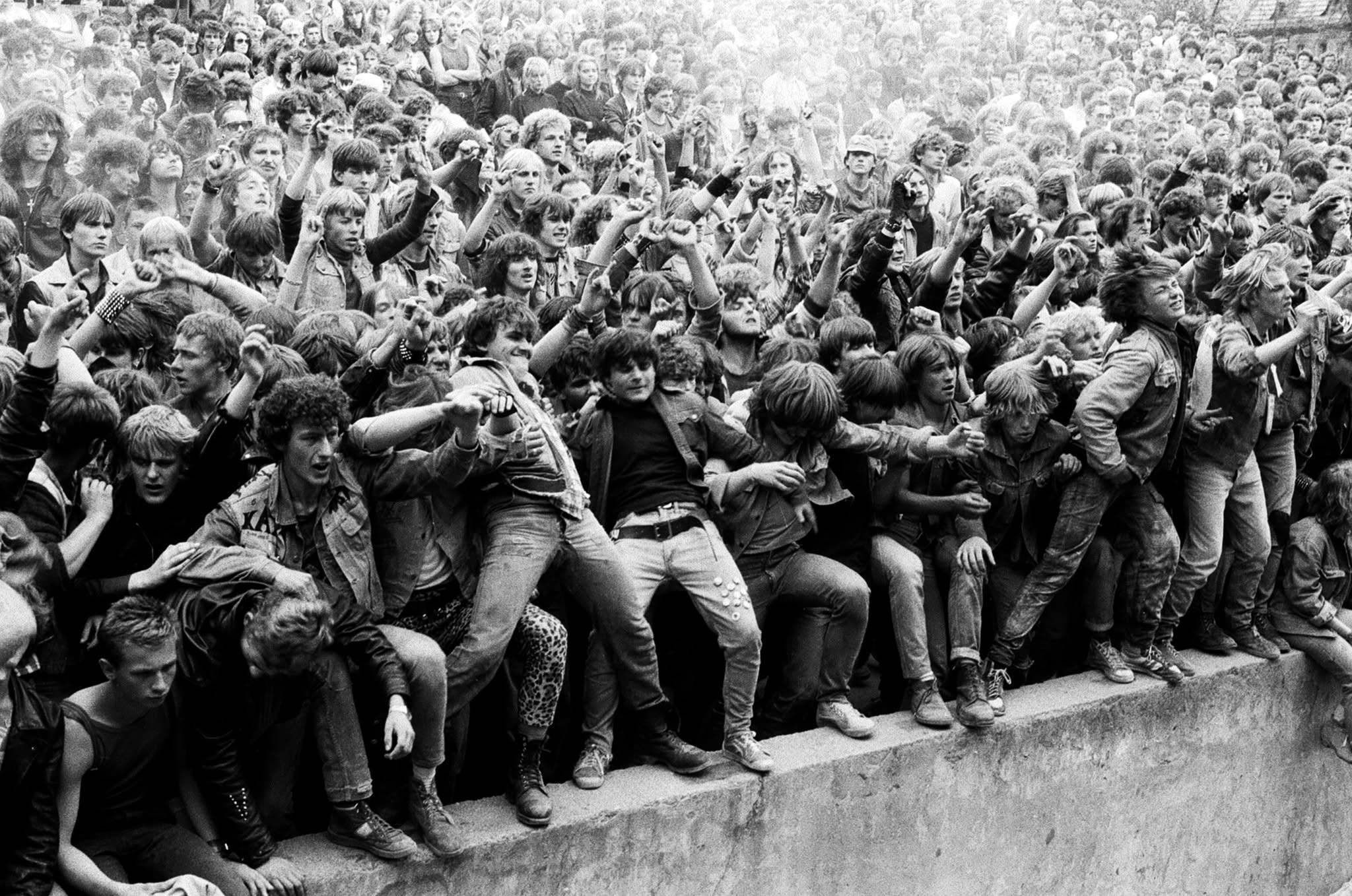
Eastern Bloc Punk: Noise Made Behind the Walls
Andrei "Svin" Panov, regarded as Leningrad's first punk, did not discover the Sex Pistols in a record shop or through a bootleg radio broadcast. By his own account, punk hit him when he read a Soviet newspaper article tearing the Sex Pistols to pieces. This small detail says a good deal about how punk spread in the Eastern Bloc: one of the roads to the music ran through the publications of the very state that was trying to ban it. In the West the sound had leaned on unemployment and class anger; in the lands ruled by socialist regimes it met a different enemy. Here there was no abundance to attack. Instead it faced a state that wanted to decide even what young people listened to and whom they gathered with.
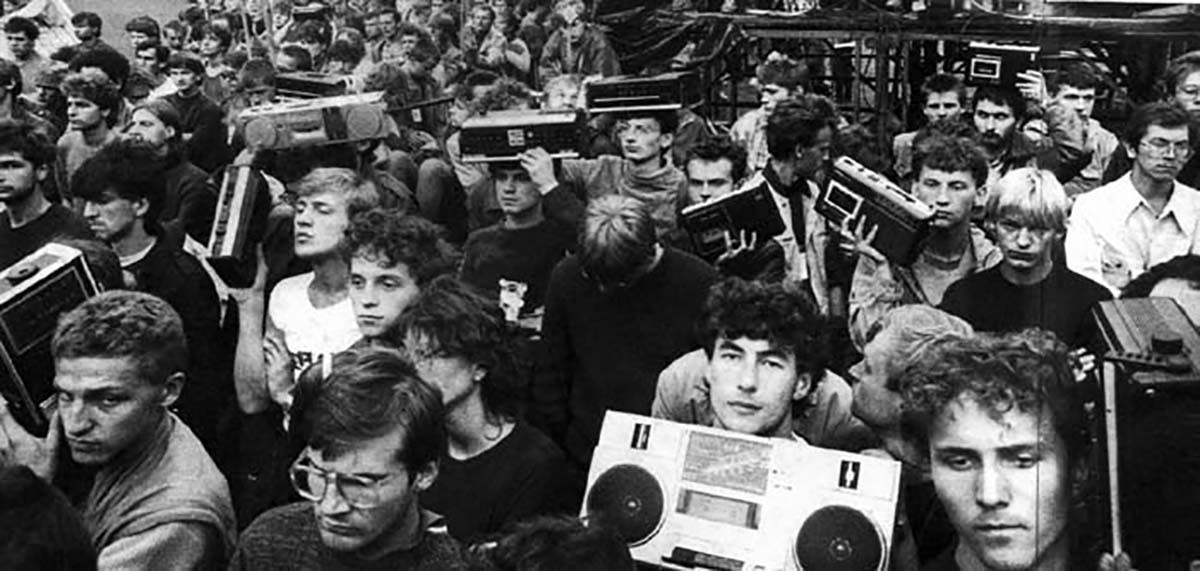
That is why treating Eastern Bloc punk as a belated copy of the West erases the difference. The language of the music had come from London, but the anger built up where people lived, and in each country it took on a different guise.
The club and the flat
The Leningrad Rock Club opened on 7 March 1981 on Rubinstein Street and became the first venue in the Soviet Union where rock could legally be played. The Komsomol and the KGB kept watch on the club; lyrics had to be approved, and bands auditioned before a commission. In 1990 General Oleg Kalugin of the KGB's Leningrad branch would say that the club's only purpose had been to keep the movement under control. It was an exaggerated claim, but it shows what the club was expected to serve.
Svin's band Avtomaticheskie Udovletvoriteli was left on the doorstep; the club council refused them membership on the grounds that they could not play, and the band was not admitted until the end of the eighties. They played their first concerts in private flats, and their first recordings were tapes of those apartment gigs. For a while the band's bass player was a young man named Viktor Tsoi.
It would not be right to call Tsoi's band Kino punk outright, but the most lasting image of the Soviet underground came from him. In the final scene of Sergei Solovyov's 1987 film Assa, a restaurant manageress reads out, at length, the rules that must be observed before going on stage. Tsoi gets up, starts walking and launches into "Khochu peremen!" (I want change). When the camera turns, he is facing a hall filled with thousands of young people, not a restaurant's diners. The song became the anthem of the perestroika years; Tsoi died in a car accident in 1990, two months after his concert at Moscow's Luzhniki Stadium.
The truly harsh sound came from Siberia. Yegor Letov and Konstantin "Kuzya UO" Ryabinov formed Grazhdanskaya Oborona in Omsk; when the band's first recordings drew the KGB's attention, it was forcibly broken up. Ryabinov was drafted into the army, while Letov was committed to a psychiatric hospital at the end of 1984 and kept there on antipsychotic drugs until March 1985. After his release he turned his own flat into a studio and named it GrOb Records, after the band's abbreviation. The word means "coffin" in Russian, and under that name a run of cassettes came out between 1987 and 1988; one of them was called Vsyo idyot po planu, "everything is going according to plan". The other great voice of the Siberian scene was Yanka Dyagileva. Her songs carried despair into the language of folk lament, and with her death in 1991, at 24, they came to stand as the scene's symbolic close.
Church, cassette and informer
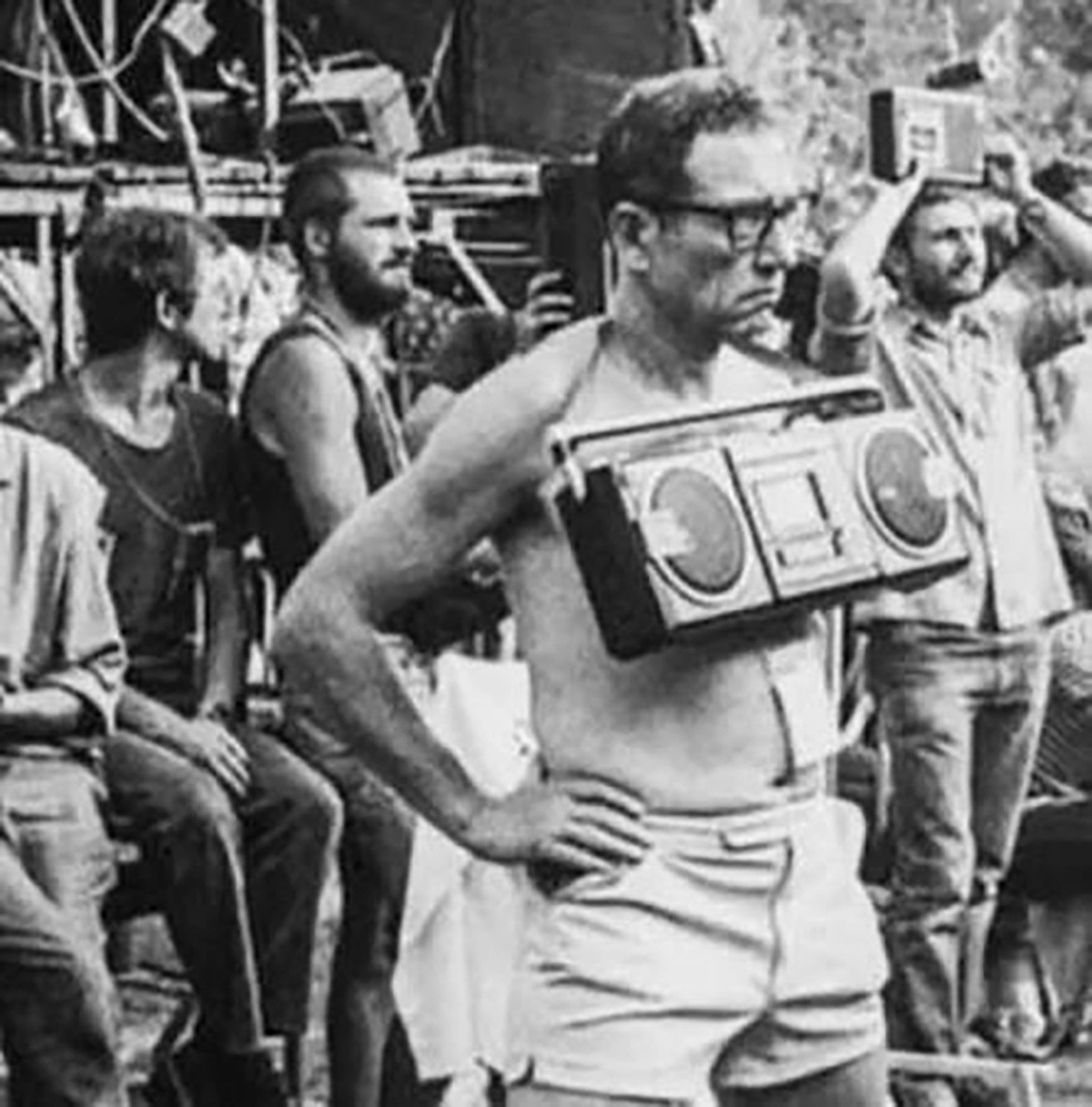
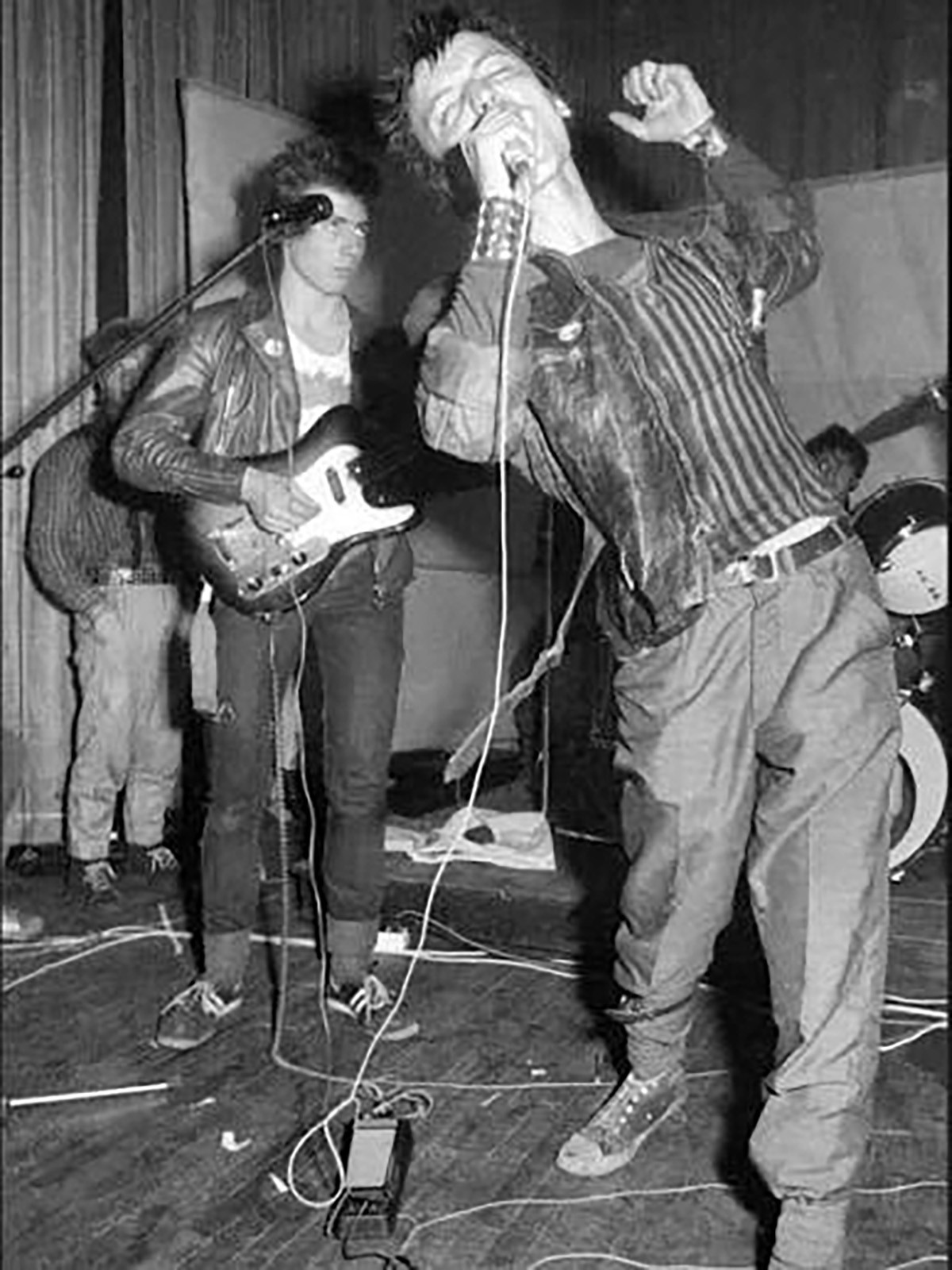
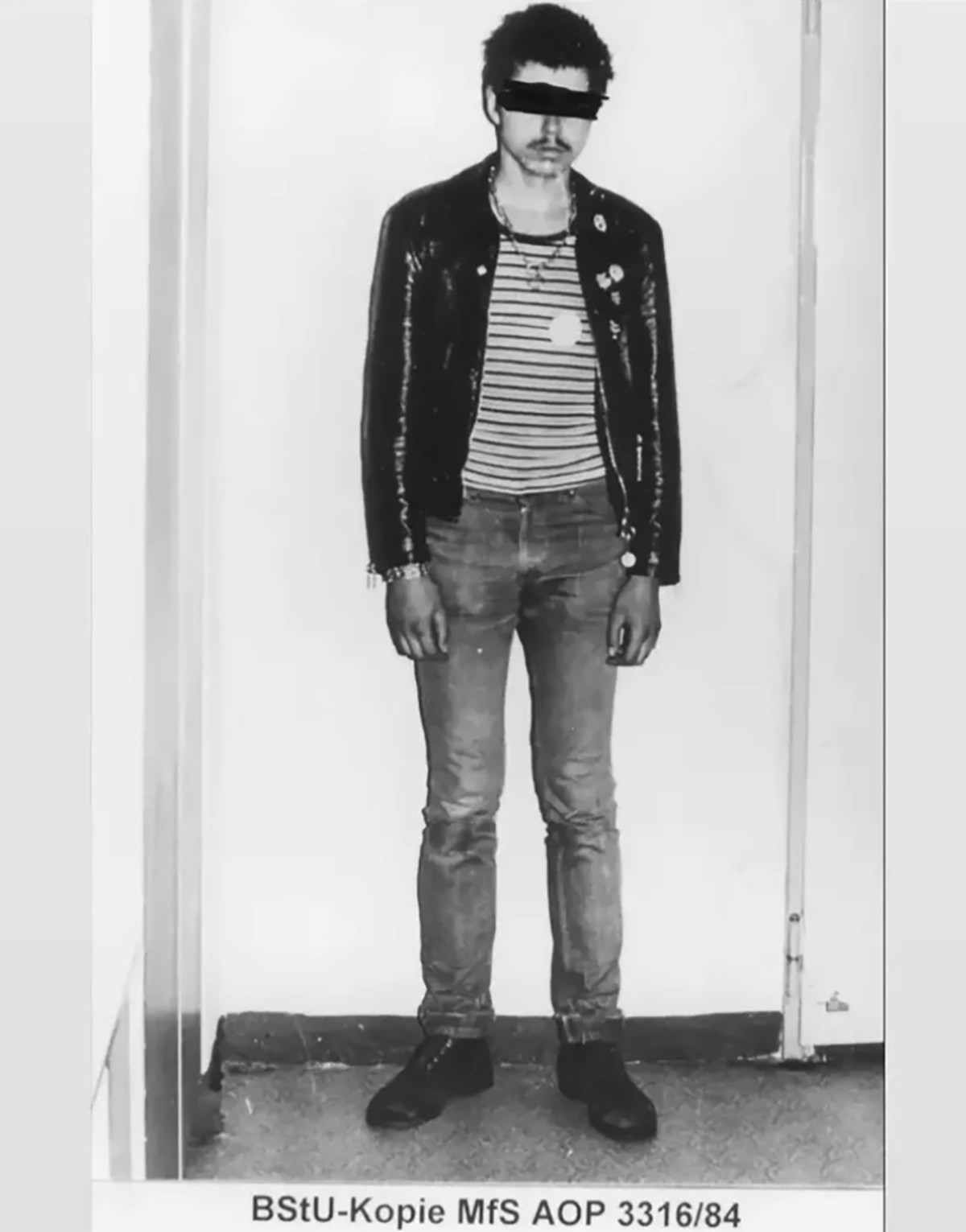
In East Germany, punk was one of the youth cultures the state watched most closely. Schleim-Keim from Erfurt could play only in churches and private spaces; the drummer and singer Dieter "Otze" Ehrlich is said to have boarded a train to a concert in Jena dressed as a worker to give the Stasi the slip.
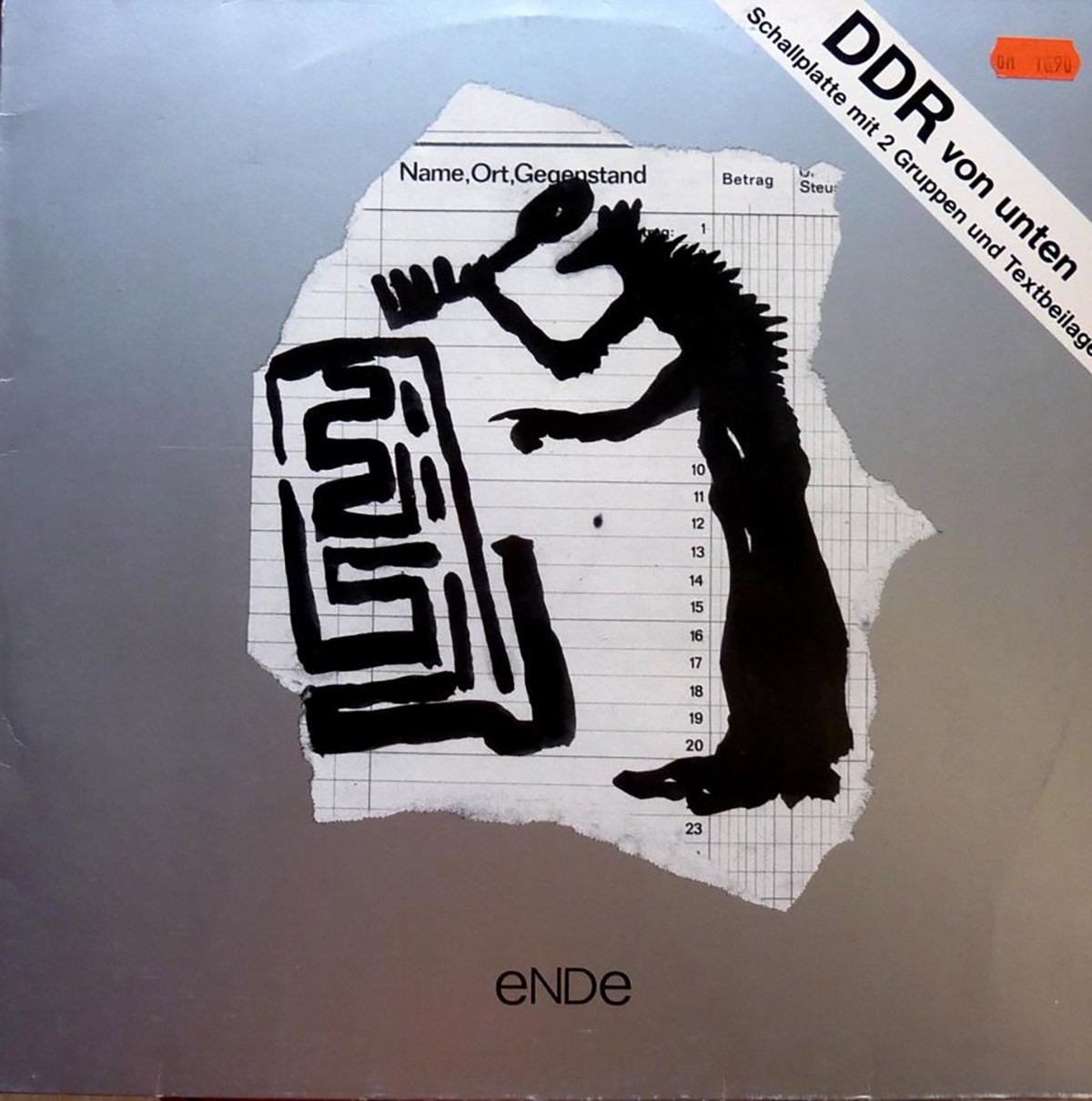
In 1982 Dimitri Hegemann of the West Berlin magazine tip came across a counterculture at a party in East Berlin and decided to release its music in the West. In January 1983, in a home studio near Dresden, Schleim-Keim recorded seven songs in an hour. The tapes were smuggled into West Berlin and released the same year on Aggressive Rockproduktionen as DDR von unten, a split album shared with Zwitschermaschine. The Schleim-Keim side came out under the alias Sau-Kerle, but the punks in the East knew which band was behind it. In the East the record was copied cassette by cassette and came to be regarded as the GDR's first punk album.
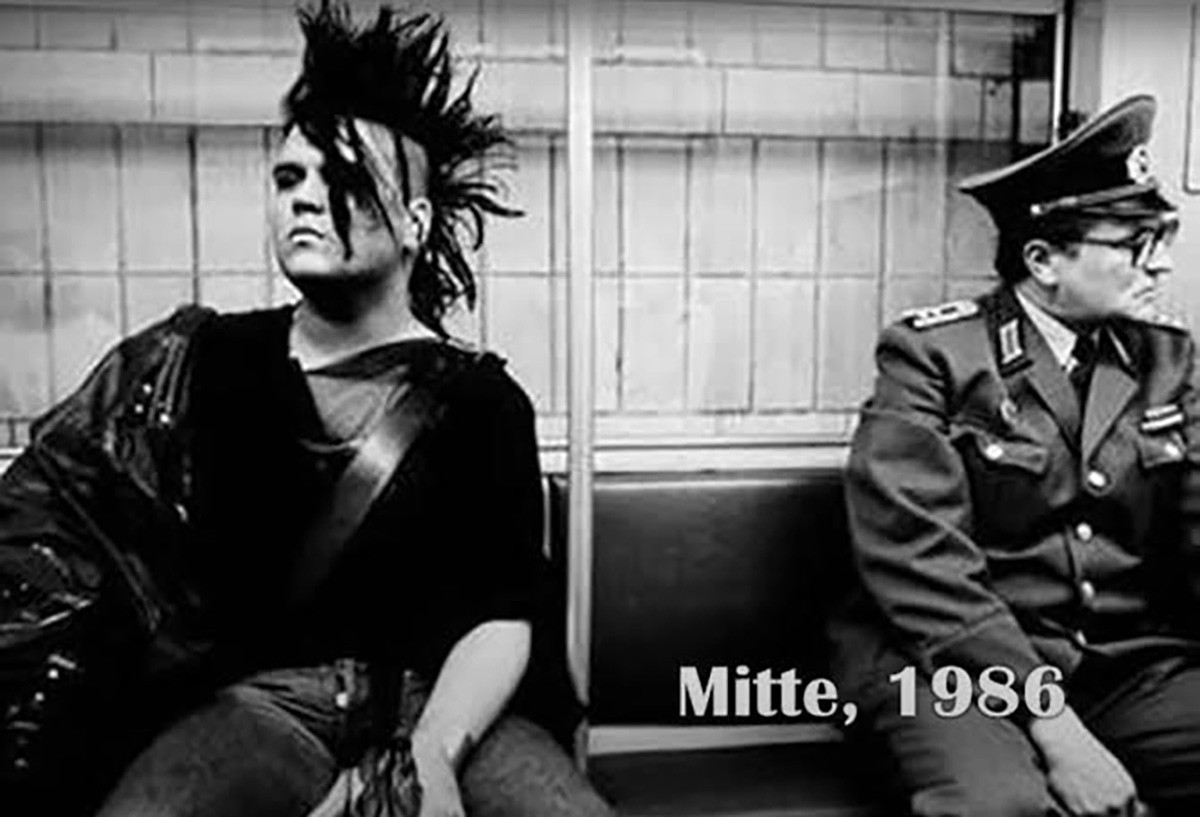
The real rupture in the story came later. Sascha Anderson, the poet who ran the project on the Eastern side, Zwitschermaschine's singer and a respected name in alternative literary circles, was exposed as a Stasi informer after the Wall fell. Two informers had been involved in making the album, and the Stasi's pressure had fallen almost entirely on Schleim-Keim. In 1991 Hegemann would found the Berlin techno club Tresor.
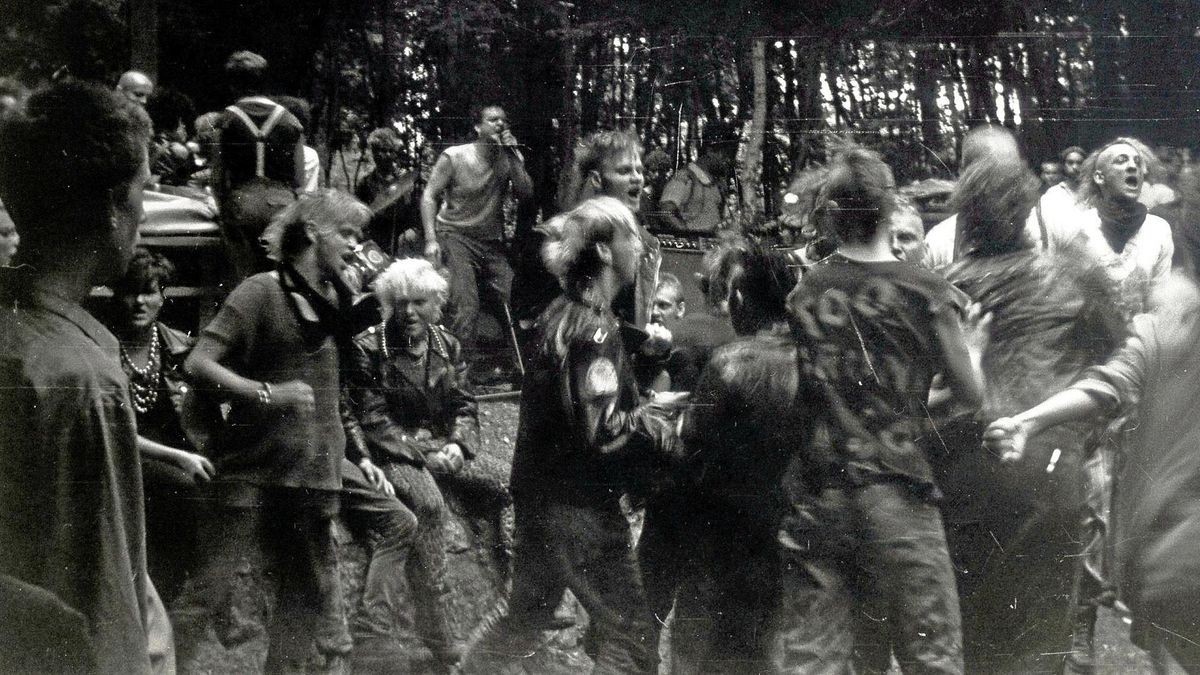
Churches were the scene's most important refuge, but a church door did not always mean protection. On 17 October 1987 the Zionskirche in East Berlin hosted a concert by the East Berlin punk band Die Firma and West Berlin's Element of Crime. Element of Crime played their first concert in the East for no fee, on instruments borrowed from Eastern punks. As the concert was ending, around thirty neo-Nazi skinheads stormed the church and attacked the audience, shouting "Sieg Heil" and "Juden raus". According to Stasi files, the People's Police had watched the incident but intervened only after a report came in. When the light sentences handed down at the first trial provoked an outcry, Egon Krenz of the SED Central Committee stepped into the case personally. Ten days after the attack Lutz Schramm, presenter of the Parocktikum programme on the state youth radio station DT64, played Dead Kennedys' "Nazi Punks Fuck Off". Most listeners knew why. Some of the Die Firma members on stage that night would, a few years later, be among the founders of Rammstein.
From Szeged to prison
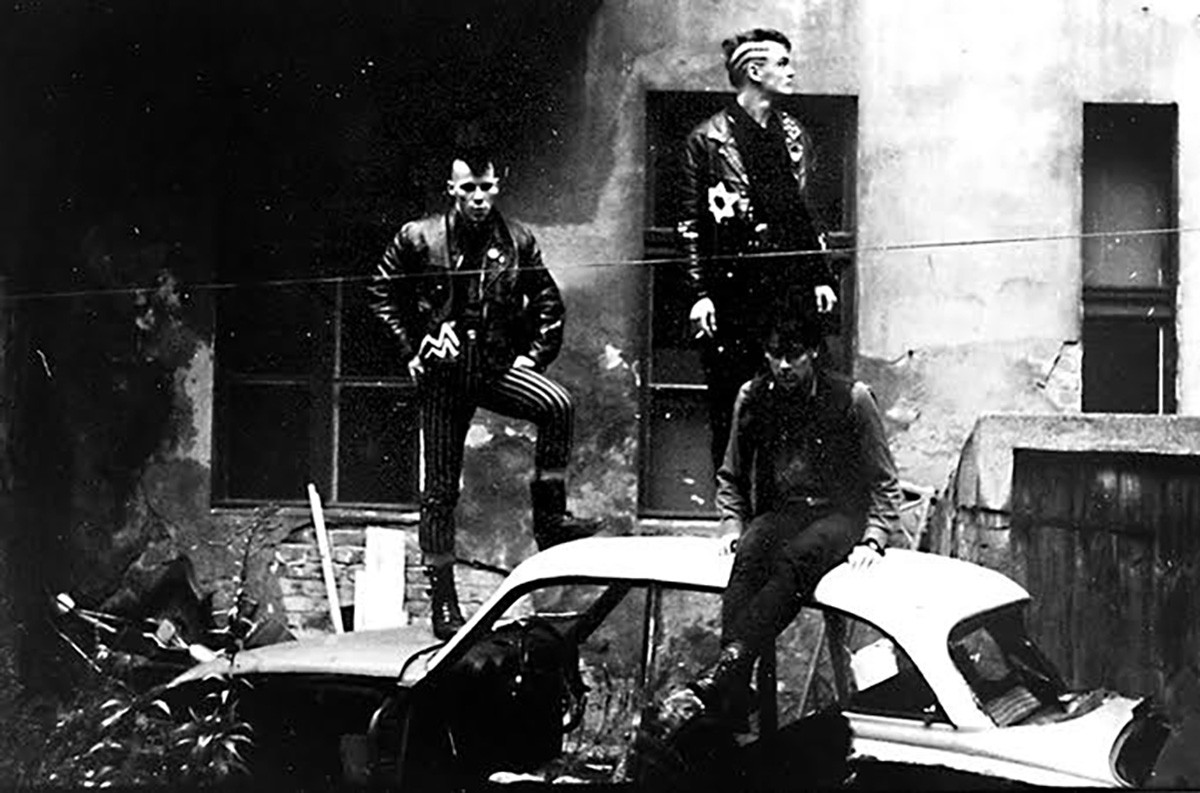
In Hungary the Kádár regime had taken a relatively flexible line on rock, but that flexibility ended at open anti-communism. The harsh lyrics and stage shows of CPg, formed in Szeged in 1979, drove the band first out of the clubs and then out of the city. After their last concert in March 1983 the members were tried for political incitement and given two years in prison; these were the first heavy prison sentences connected with rock in Hungary. In 1984 Közellenség from Veszprém went down the same road. A study published in 2024 in Betekintő, the journal that examines the archives of Hungarian state security, lays the regime's priorities bare: Mos-oi, the only band among those tried that could be called racist, received a suspended sentence, while a significant number of the anti-communist musicians went to prison. According to the study, the late Kádár era feared anti-communism more than racism.
An article and a silence
In Czechoslovakia the bond between underground music and political opposition had been forged before punk. The Plastic People of the Universe were not a punk band, but the trial of their members in the mid-1970s played a decisive part in the emergence of Charter 77. For punk and new wave, the turning point was an article that appeared on 23 March 1983 in the party weekly Tribuna. Headed "Nová vlna se starým obsahem" (New wave with old content), it was signed Jan Krýzl, but the name was invented, and who wrote it is still not known for certain. The article declared amateur rock bands instruments of ideological sabotage and called on cultural officials not to book them, and not to pass them through the auditions required for a licence to play. Bands such as Jasná Páka and Pražský výběr survived only by taking a break or changing their names; many smaller bands disappeared altogether. Here the state did not even need to ban a band. Withholding the permission needed to play was enough.
A missile's name and a radio studio
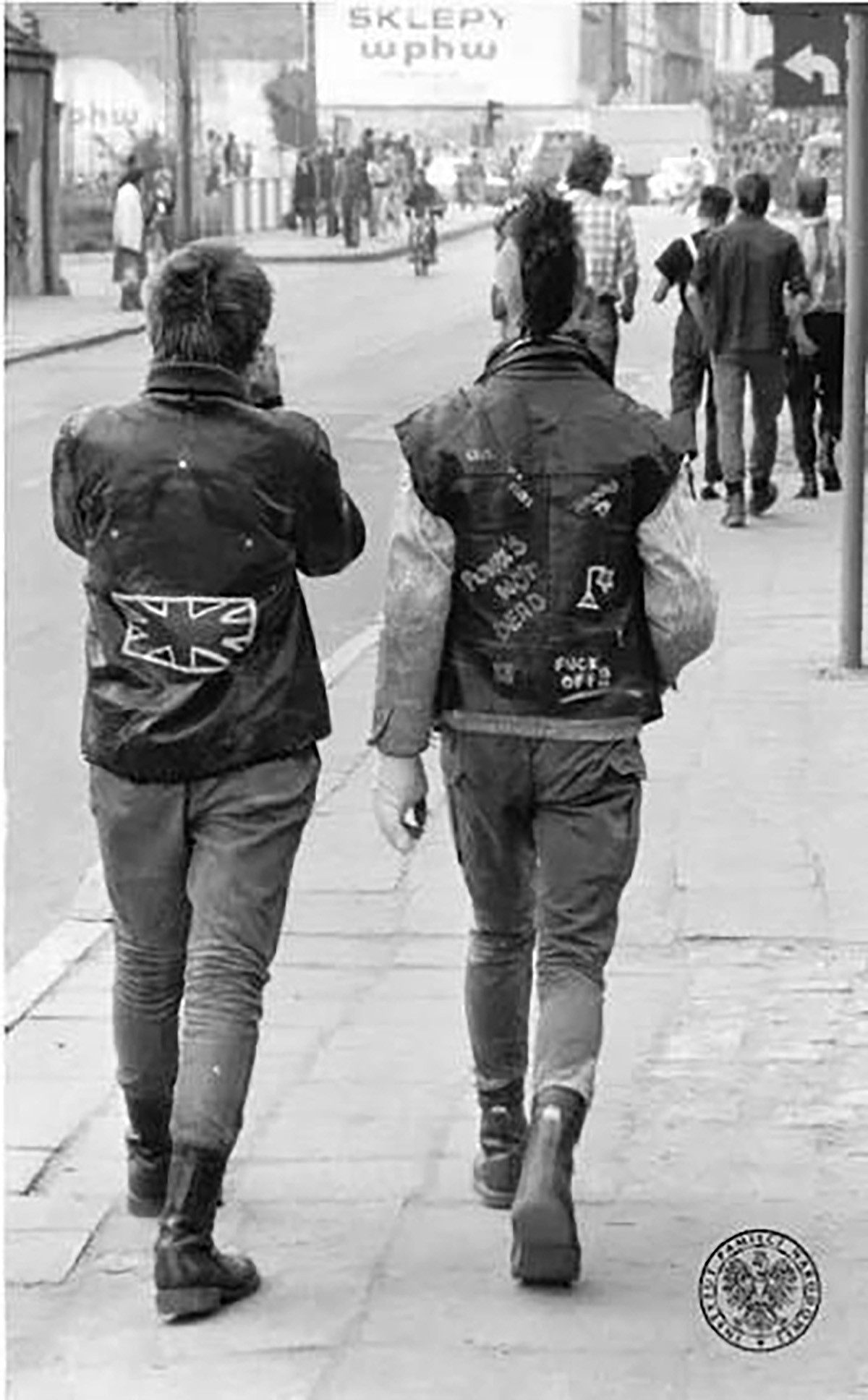
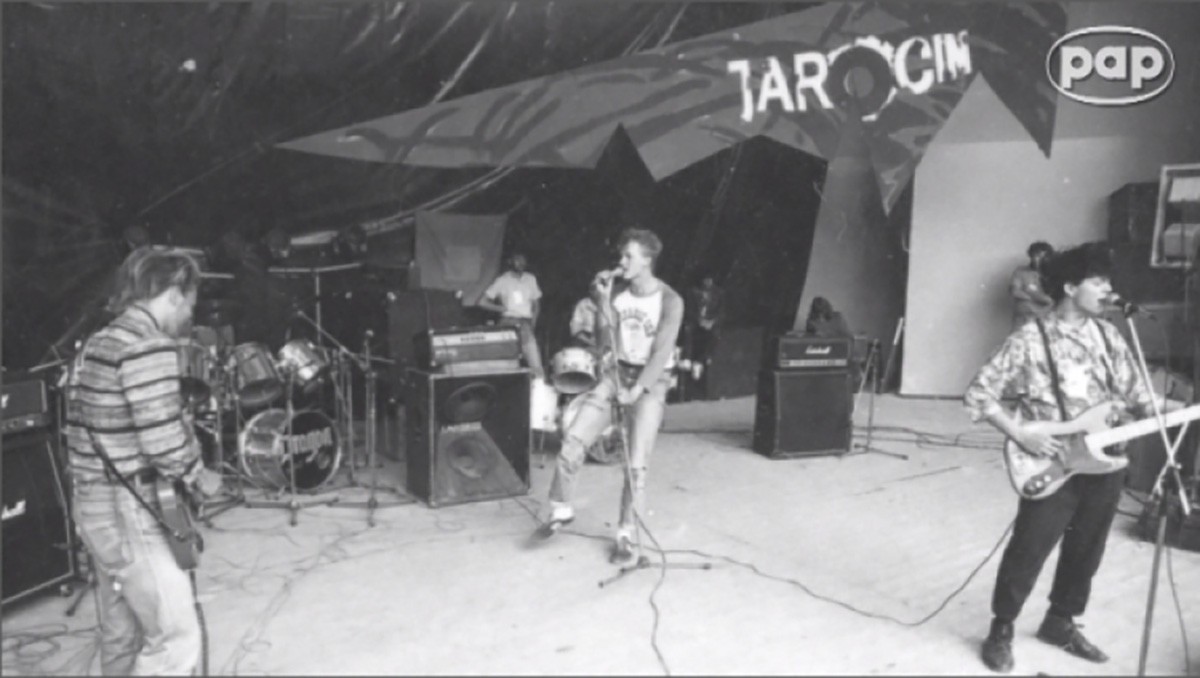
In Poland, punk grew up in the shadow of martial law. The band formed in Warsaw in May 1981 was first called SS-20, the name of a Soviet nuclear missile. After the authorities reacted, the band changed its name to Dezerter. Their set in front of some twenty thousand people at the 1984 Jarocin Festival was recorded. Part of that recording came out in America in 1987 as Underground Out of Poland, together with the songs of an EP recorded in 1983 and the tracks from an illegal session in Polish Radio's Program 1 studio. The album's producer was Joey Shithead, singer of Canada's D.O.A. The state radio's studio had recorded a sound the state did not want.
Jarocin was the scene's most contradictory venue. The festival was semi-official; it was both watched and, by the standards of the time, left remarkably free. The "safety valve" thesis, that the regime knowingly tolerated the festival as a safe place to drain off the anger of the young, is still disputed and stands as an interpretation, not a proven fact. Still, an event held under surveillance certainly produced encounters that went beyond the limits of that surveillance.
The limit of openness
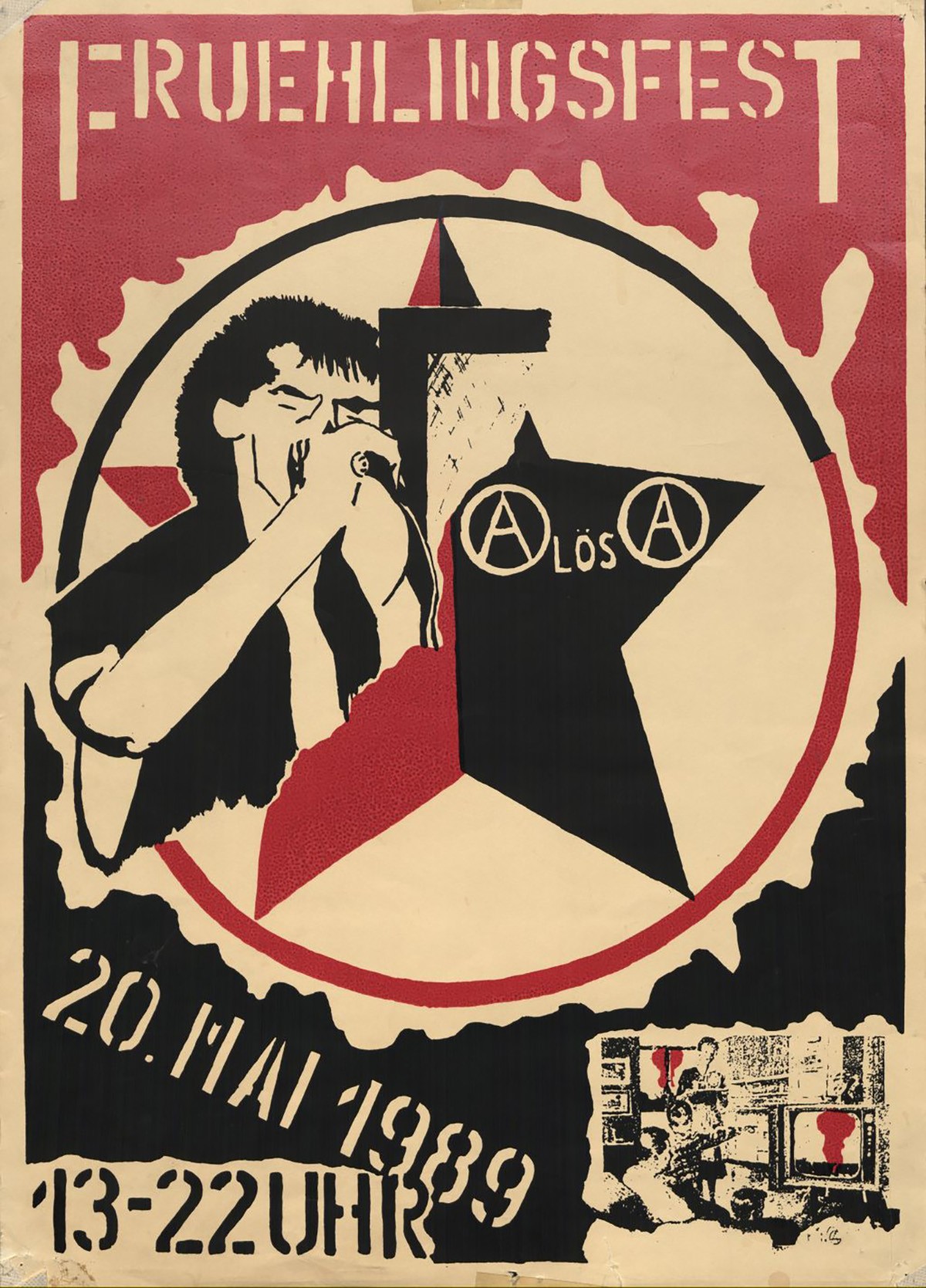
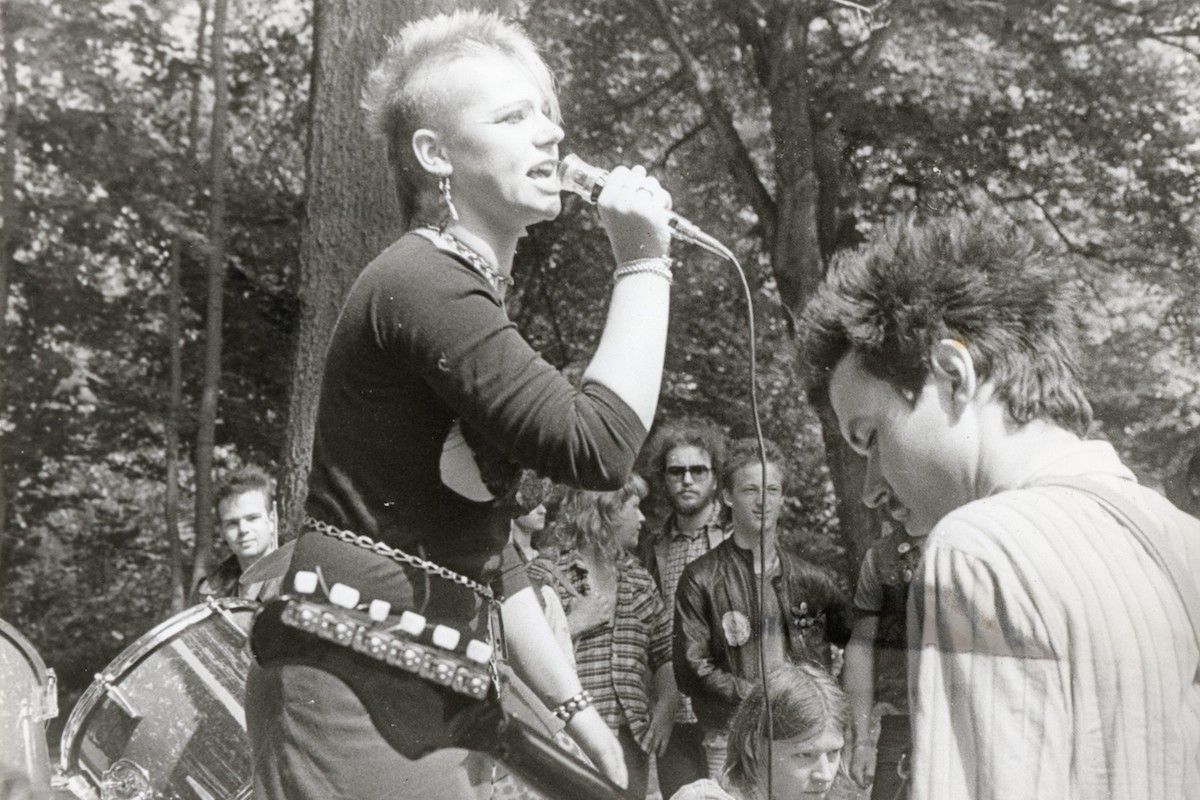
Yugoslavia stood in a different place from the rest of the Bloc. Relations with the West were open, records were easy to get hold of, and some punk bands could release records on state labels. Pankrti, formed in 1977 by two young men from Ljubljana's Kodeljevo district, billed itself as the first punk band behind the Iron Curtain. Paraf from Rijeka emerged in the same years. This relative openness had its limit too. In 1981 a scandal known as the "Nazi punk affair" broke in Slovenia. Accounts differ on the details: in one account, three members of a small group called the Fourth Reich were arrested and the police fabricated evidence for the case; in another, a populist newspaper portrayed three Ljubljana punks wearing "Nazi Punks Fuck Off" badges with crossed-out swastikas as members of a Nazi organisation. The accounts agree that the authorities used the affair to declare punk as a whole subversive, when most of the scene was openly anti-fascist. In 1983 all of Laibach's public concerts, and even the band's name, were banned. Gregor Tomc, who wrote Pankrti's lyrics, was moved by the Helsinki Final Act to found an association for a free society, and in later years became a sociologist working with Slavoj Žižek at the University of Ljubljana.
An architecture of sound out of scarcity
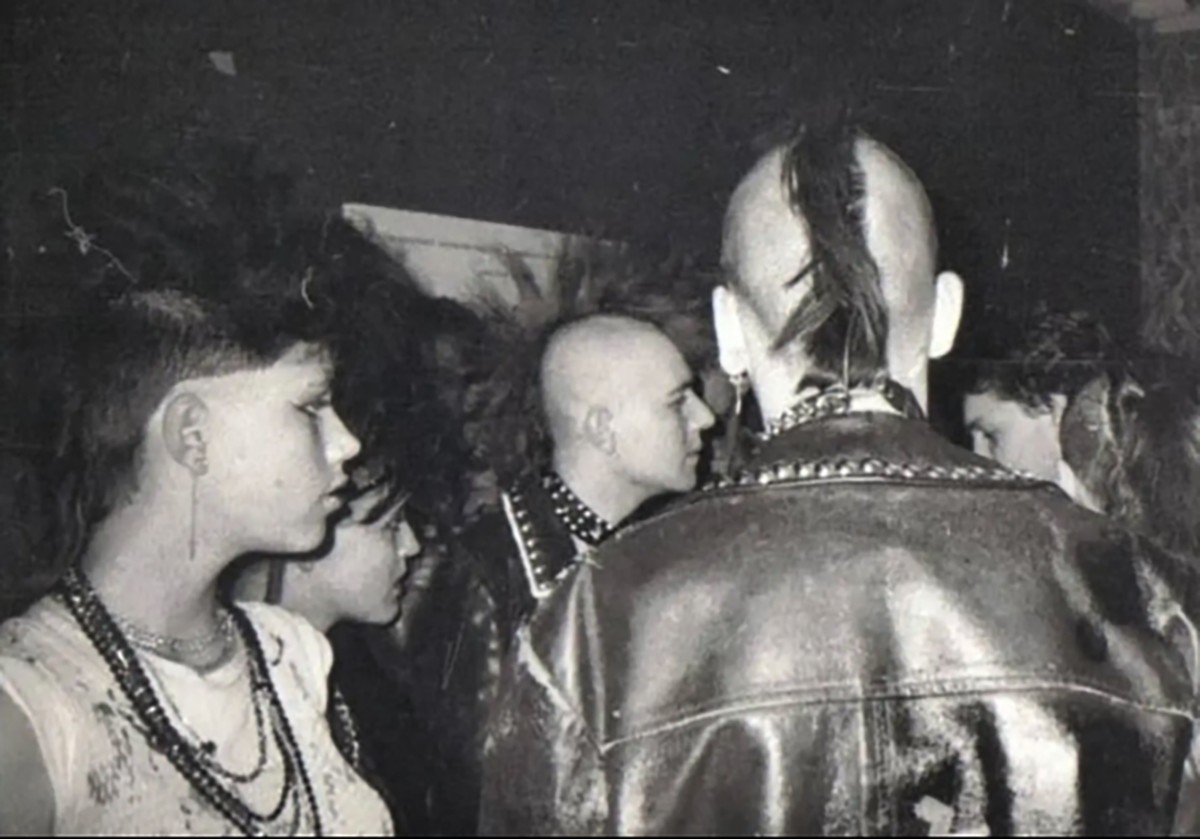
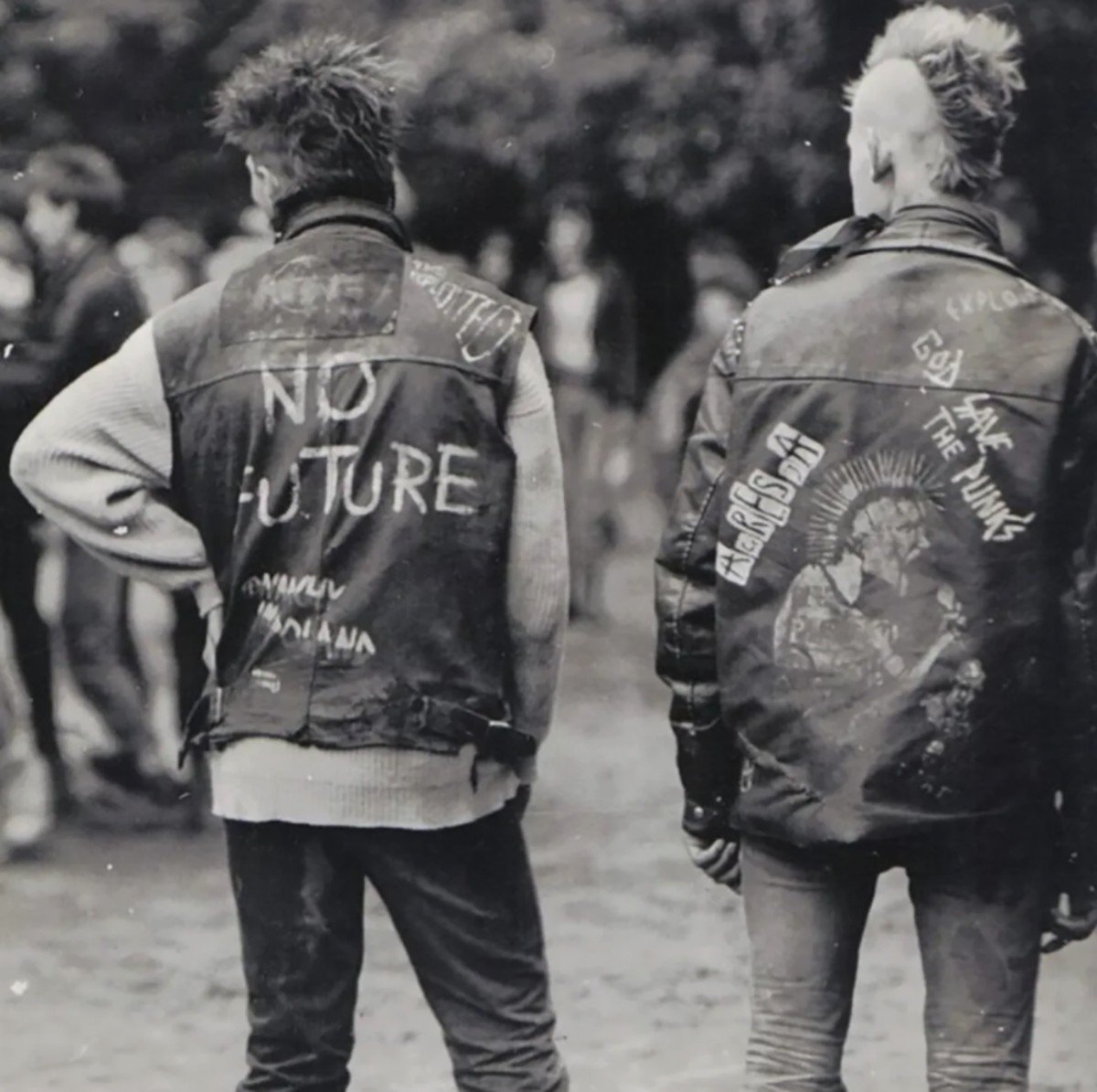
What was to hand decided how this music sounded. Letov recorded his albums in his flat because, with the state label Melodiya holding a monopoly, there was no other way. Schleim-Keim's songs were recorded in a home studio in a single session. Rosa Extra came to the same session with a real Casio synthesiser, which in the GDR of those years was an event in itself. At the Zionskirche the flow of instruments ran the other way, and the Western band borrowed the Eastern punks' instruments. Across the Soviet lands, recordings multiplied copy to copy through the unofficial tape network known as magnitizdat; these copies, hissing a little more and blurring a little more with each generation, left a texture that today cannot be separated from the sound of the music itself. The do-it-yourself ethos that Western punk championed as an aesthetic choice was here, more often than not, the only way to work at all.
These archives have mostly been built around male figures. Yet on the GDR's first punk record, the voice of Zwitschermaschine was Cornelia Schleime, who would later become a well-known painter. Some of the most enduring songs of Siberian punk were Yanka Dyagileva's. Sexism and unseen labour within the scene are also part of this history; telling the story of state repression should not mean looking away from the scene's own relations of power.
An archive, not a legend
After 1989 the borders opened and banned recordings could be heard freely. With that, the pressure that had shaped the scene dissolved too. Some bands broke up or became representatives of a nostalgic past, while the members of others ended up somewhere else entirely. Musicians who came out of Feeling B and Die Firma reached the world's stadiums with Rammstein. Hegemann, who had carried the East's punk to the West, founded the techno club of reunified Berlin.
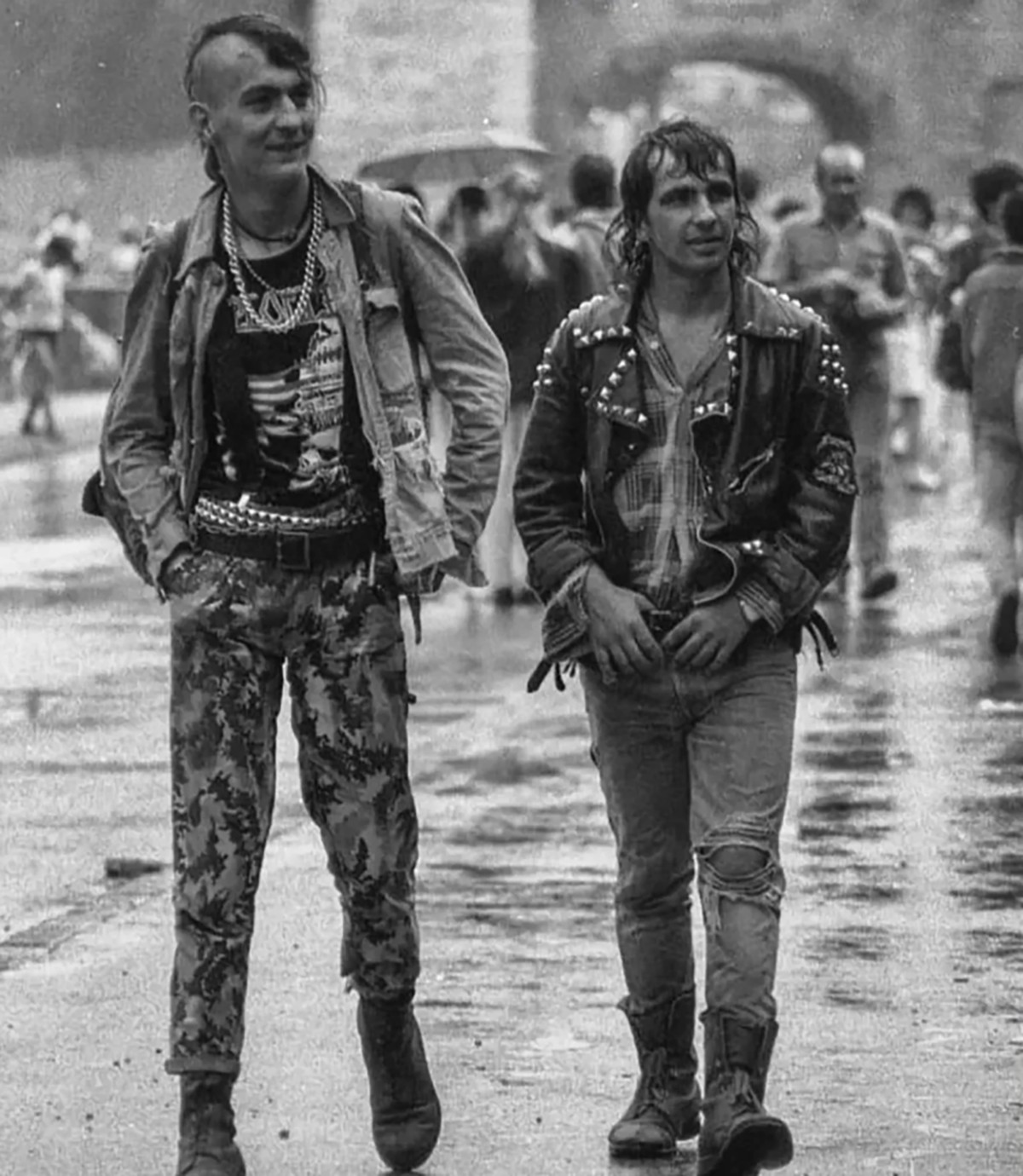
Basements, secret gigs, informers and banned cassettes are the images most often used to tell this history. They rest on real experience, but a narrative built on heroism easily covers over the contradictions of this world. Not every band was openly political, and not every musician ran the same risk. State-founded clubs like the one in Leningrad, officially sanctioned festivals like Jarocin and punk songs played on state radio were part of this story too. The scene could neither stay wholly outside the state nor come entirely under its control.
The strangest legacy is perhaps the archive itself. The historian Gábor Klaniczay, a leading figure of the Hungarian opposition, wrote that the best moments of the Hungarian new wave went undocumented, and that as a result, paradoxically, the most thorough record of this music survives in the surveillance reports of the police and the secret service. East Germany is no different: the Stasi reports on the Zionskirche night can now be read in the archive's online library. One of them states that the People's Police received the call at 22.22, reached the church at 22.30, and that by then the fight was long over.
Source note
- Soviet Union
- Leningrad Rock Club: Meduza (March 2021), Far Out (Kalugin's 1990 remark).
- Svin and Avtomaticheskie Udovletvoriteli: Unearthing the Music database.
- Assa scene: The New European (2021).
- Letov: Wikipedia and Unearthing the Music.
- East Germany
- DDR von unten and Schleim-Keim: Parocktikum Wiki.
- Zionskirche: Stasi-Unterlagen-Archiv Mediathek (original reports), taz (2008 and 2017), Tagesspiegel.
- Tresor: Wikipedia.
- Hungary
- Betekintő, 2024/4.
- COURAGE project (cultural-opposition.eu): source of Klaniczay's view.
- Czechoslovakia
- Tribuna article: Česká televize Bigbít archive, Moderní-dějiny.cz, Echo24 (2023), Popular Music and Society (2017).
- Poland
- Wikipedia (Dezerter, Underground Out of Poland), University of Sheffield's Reload It! (2023).
- Yugoslavia
- Maximum Rocknroll (2015), University of Porto publication, Wikipedia (Pankrti, Gregor Tomc).